










How Hydrating Serums Actually Work
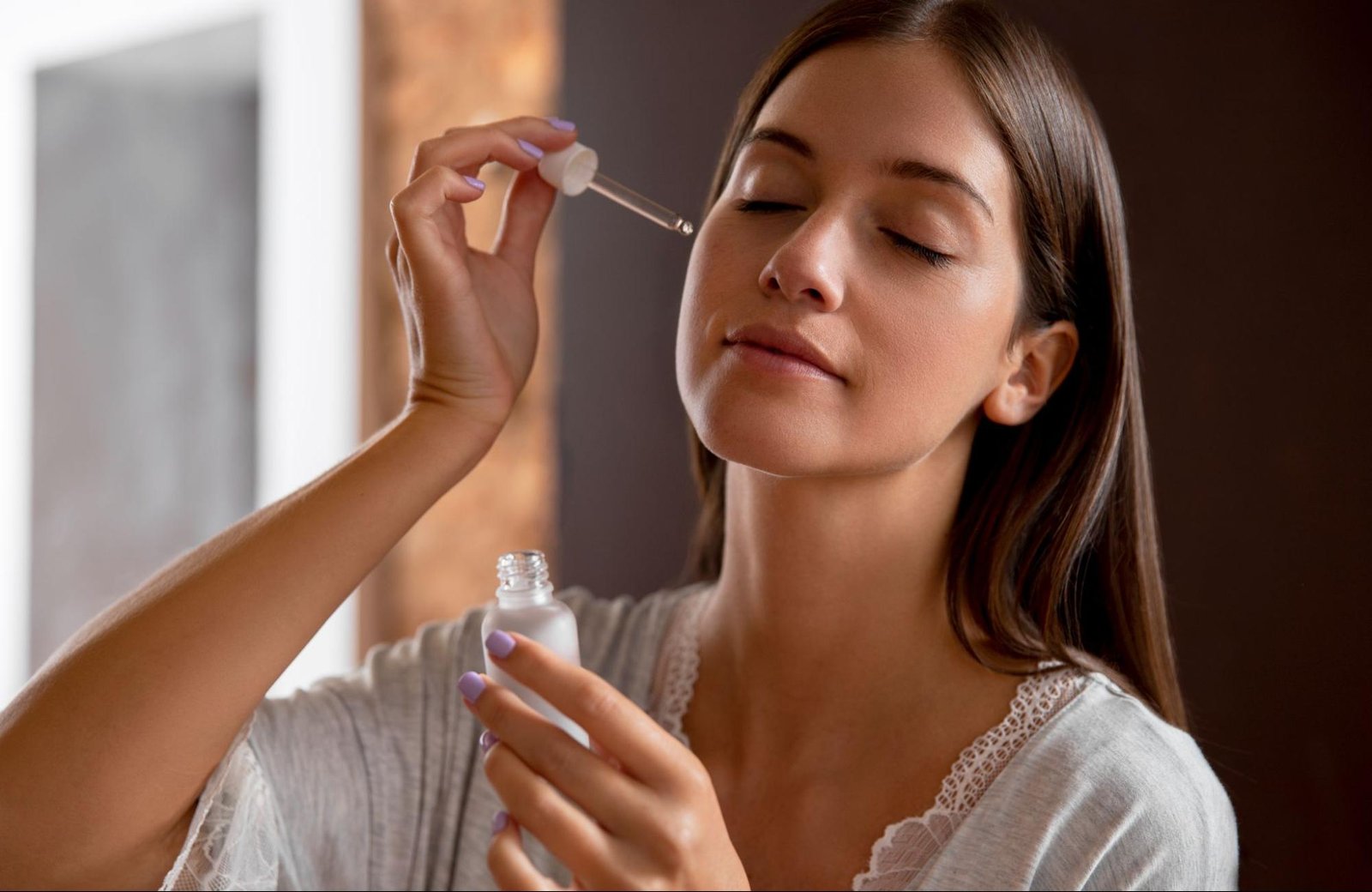
Humectants, that’s the word dermatologists throw around. These are ingredients, like glycerin, beta-glucan, polyglutamic acid, and the wildly famous hyaluronic acid. (People often misspell it as “hydraulic acid serum,” but you know what it means.) They pull moisture from somewhere else, either the air or deeper layers of your skin, and hold it near the surface. But here’s an important thing nobody explains when you’re shopping for hydrating skin care. Humectants don’t lock anything in. They grab water, but they don’t stop it from evaporating. Without a little support, they’re like someone trying to carry groceries home in open hands. A lot spills out before they make it to the front door. Common Mistakes to AvoidMistake 1: Applying Your Serum on Dry Skin
This is the biggest one, the quiet villain behind many hydration struggles. You wash your face, pat it completely dry, and then apply your serum. It feels nice at first, light, fresh. But hyaluronic acid, especially in a lightweight formula, needs water around it to do its job. If it doesn’t find moisture on your skin, it pulls it from your skin. That’s when people wake up asking why their cheeks feel stretched. The fix: Don’t complicate it, just dampen your skin a little: a splash of water, a hydrating mist, even a bit of toner. Apply your serum right after. This simple step often works better than switching to the best hydrating serum for dry skin.Mistake 2: Forgetting to Seal It In
You apply a hydrating serum and stop there. Remember the grocery analogy? This is where moisturizer becomes the bag your hands desperately need. Hydrating ingredients pull water in. Moisturizers, especially ones with ceramides or squalane, help keep it there. When you don’t seal your serum with a cream, that precious water disappears into the air. The fix: After your serum, use any gentle moisturizer that doesn’t sting or feel heavy. Even a thin layer makes a world of difference.Mistake 3: Using the Wrong Type of Hyaluronic Acid
Not all hydrating serums are made the same. Some sit on the surface, some sink deeper, and some do a bit of both. A lot of bottles only use high molecular weight HA. It sits on top of your skin and doesn’t travel far. If your skin is already dry or flaky, this version can feel useless. People think their skin care product “stopped working,” but really, it just wasn’t the right type to begin with. The fix: Look for phrases like:- “multi-weight hyaluronic acid”
- “multi-molecular HA”
- “HA complex”
Mistake 4: Not Considering Your Climate
Nobody told us that hydrating skin care routines change with the weather, but they do. If you live somewhere humid, HA works beautifully. It pulls moisture from the air, and your skin drinks it up. If you live somewhere dry, especially during winter, HA can actually pull moisture out of your own skin. That’s why some people swear their serum only works “sometimes.” The fix: For a humid climate, light textures, gel serums, and minimal layering work best. On the other hand, for a dry climate, heavier creams, occlusive balms at night, and gentler cleansers do the job well. And if you’re curious about the science, search terms like dew point and skincare. They explain a lot.Mistake 5: Over-Exfoliating Your Skin Barrier Into Trouble
This one sneaks up on people. You’re using a serum, it’s working great, you feel confident, then you add a new AHA toner. Maybe a retinoid, or maybe both. Suddenly, your cheeks sting, your forehead flakes, and you blame the serum. But the real issue is the skin barrier, that thin, protective layer that keeps water inside. If the barrier is damaged, no hydrating skin care product on earth can save you. Signs of barrier trouble:- Burning or stinging
- Redness
- Sudden sensitivity
- Patchy flaking
- Tightness even after moisturizing
Mistake 6: Layering Serums That Don’t Play Well Together
Some ingredients just aren’t friends. Alcohol-heavy toners, strong acne treatments, and high-strength retinoids can create a thirsty environment where no hydrating product can thrive. Sometimes it’s not that your serum stopped working, it’s just fighting too many battles at once. The fix: A gentle order usually works best:- Water-based serum
- Hydrating serum
- Moisturizer
- SPF (morning)
Mistake 7: Using Too Much or Using It Too Often
Here’s a funny thing: more serum doesn’t mean more hydration. Using too much often leads to pilling, those little white flakes that roll off your face. And when products pill, they don’t absorb well, which tricks you into thinking they’re ineffective. The fix: Use two or three drops, not half a dropper. Consistency beats quantity every time.Mistake 8: Expecting the Serum to Do Everything
Here’s the truth nobody loves hearing: hydrating serums help, but they’re not miracles. If you’re dehydrated, sleep-deprived, sunburned, or living on caffeine, your skin shows it. Water intake, diet, stress, and sun exposure affect the way your skin holds moisture more than most people think. The fix:- Drink enough water
- Use SPF daily
- Add electrolytes if you’re active.
- Don’t skip sleep
- Avoid harsh cleansers
When It Might Actually Be the Wrong Serum
Sometimes, yes, your product isn’t right for you. After all, not all serums work for all skin types. If your product causes stinging, breakouts, or weird tightness that lasts more than a few minutes, it may simply not be a good match. Even the best hydrating serum for dry skin may not fit everyone.How to Make Your Hydrating Serum Work Again (A Simple Reset Routine)
Here’s a small reset that usually helps:- Cleanse gently
- Leave skin damp
- Apply your hydrating or hydraulic acid serum.
- Seal with moisturizer
- Avoid potent actives for a few days.
- Reintroduce exfoliants slowly
- Keep your routine simple.
Quick Expert-Style Tips (Easy to Follow)
- Pair HA with ceramides or panthenol
- Use a hydrating skin toner before your serum.
- Add a drop of squalane oil at night if your skin feels tight.
- Protect your barrier like it’s your job.
- Avoid foaming cleansers if you have dryness.
The Bottom Line
The best hydrating serums don’t usually “stop working.” Something around them changes, your climate, your barrier, your routine, or simply the way you apply them. Once you understand those little details, everything starts to click. Your skin feels calmer, softer, hydrated in a way that lasts. If you’re still unsure what’s throwing off your routine, explore more hydrating skin care guides on Balanced Living or talk to a dermatologist who can help untangle the puzzle. Sometimes the simplest shifts make the biggest difference.Frequently Asked Questions (FAQ)
If your serum causes stinging, increased dryness, or breakouts, it may not suit your skin. People with dry skin often need a thicker formula or a multi-weight HA serum. If you’re searching for the best hydrating serum for dry skin look for ingredients like ceramides, squalane, or beta-glucan.
Yes, humectants like HA behave differently in humid vs. dry climates. In humid weather, they pull moisture from the air. In dry or winter climates, they may pull water from your skin instead. Adjusting your moisturizer or adding an occlusive can help.
If your skin barrier is damaged, from over-exfoliation, harsh cleansers, or retinoids, it cannot hold moisture well. Even the best hydrating serum won’t work unless the barrier is repaired with ceramides, gentle moisturizers, and reduced actives.