






Struggling to see results from your workouts? The muscle growth process happens when you train the right way, combining effort, nutrition, and rest. This post will explain how your body builds muscle step-by-step and what changes you can expect.
Keep reading to transform your body!
The Science Behind Muscle Growth

Your muscles grow through hard work and repair. Tiny tears from exercising rebuild stronger, making your body tougher over time.
Microtears and Repair
Lifting weights creates tiny tears in your muscle fibers. These microtears happen as you push muscles to their limit, especially during resistance exercises like squats or deadlifts.
It might sound harmful, but these small injuries are actually the key to building muscle.
During recovery, your body uses amino acids like actin and myosin to repair those tears. This process makes muscle fibers stronger and thicker over time, leading to hypertrophy—or muscle growth.
“Growth happens in the repair phase—not while lifting heavy.” So rest is just as vital as training hard.
Muscle Protein Synthesis vs. Breakdown
The repair process triggers muscle protein synthesis. This happens as your body uses amino acids to fix the microtears in your skeletal muscles caused by strength training. Growth begins when synthesis outpaces protein breakdown, which naturally increases after intense workouts.
Hormones like testosterone and growth hormone rise during this time. These hormones act like builders, speeding up muscle repair while making your muscle fibers stronger and thicker.
By adding enough protein through food or supplements, you give your body the tools it needs to rebuild lean muscle tissue effectively. Keep those levels tipped toward synthesis for true muscle hypertrophy!
Key Factors for Effective Muscle Training
Training smart keeps your muscles growing and strong. Focus on how you lift, eat, and recover for the best results!
Progressive Overload
To grow muscles, you must challenge them. Progressive overload means increasing the resistance or weight as your body adapts. This keeps muscles guessing and forces them to grow stronger over time.
For example, if you start with a 20-pound dumbbell for curls, aim to lift 25 pounds after a few weeks.
Lifting heavier isn’t the only way. You can add more repetitions, slow down movements, or reduce rest between sets. Both heavy weights and lighter ones work if the muscle gets fatigued by the end of each set.
Push yourself close to failure without losing proper form—this is where real growth happens!
Proper Nutrition and Protein Intake
Your muscles need fuel to grow. Eating enough protein is key for muscle-building. Aim for at least 0.8 grams of protein per kilogram of your weight daily, though up to 1.6 g/kg can supercharge gains.
For someone weighing 150 pounds, that’s about 55–109 grams daily.
Focus on high-protein foods like chicken, fish, eggs, tofu, and beans. Adding nuts or a scoop of protein powder boosts intake easily after workouts or busy days. Your body also needs calories from carbs and fats to repair those microtears in muscle fibers after strength training sessions like back squats or push-ups.
Let’s explore why resting matters just as much as lifting weights!
Adequate Rest and Recovery
Muscles need time to heal after workouts. Training the same muscle group too soon, within less than 48–72 hours, can slow growth and increase injury risks. Think of this rest period as when your microtears repair and grow back stronger.
Without it, you might feel constant fatigue or even hit a plateau in progress.
Alternate between upper body and lower body training sessions. This way, one half rests while the other works hard. Overtraining isn’t just exhausting; it messes with gains and might cause setbacks like muscle strains.
Sleep matters too—aim for at least 7–9 hours a night to let your muscle cells recover fully.
Physical Changes in the Body
Your muscles adapt and grow stronger with each challenge you give them. These changes go deeper than looks—they shape how your body works and feels every day.
Increased Muscle Mass and Strength
Train your muscles the right way, and you’ll see them grow bigger and stronger. Weightlifting triggers tiny tears in muscle fibers. Your body repairs these by adding new protein strands, making the muscles thicker and tougher.
This process is called muscular hypertrophy. Both men and women can achieve great results, with studies showing that women often gain more upper body strength than men.
Fast-twitch muscle fibers play a key role here. These are responsible for explosive power during strength exercises like deadlifts or bench presses. Progressive overload helps push these fibers to adapt over time.
The result? More defined muscles, higher lifting capacity, and increased endurance for daily tasks or workouts involving compound movements like squats or rows!
Improved Metabolic Rate
Building muscle with resistance training cranks up your metabolic rate. Muscle fibers burn more calories than fat, even when you rest. Adding just 10 pounds of muscle can help you torch an extra 50-70 calories a day without lifting a finger.
Weightlifting also triggers chemical reactions like ATP production and glycogen use. These processes need energy, which keeps your body burning fuel long after the workout ends. As a bonus, higher energy demands mean stronger endurance for your next challenge! This all ties into enhanced bone density, where proper strength work takes center stage.
Enhanced Bone Density
Strength training doesn’t just grow your muscles, it toughens your bones too. Resistance exercises like squats and deadlifts place stress on your skeleton. This pressure signals bone-building cells to grow stronger.
Over time, this process increases bone density.
Lifting weights also helps protect you as you age. Stronger bones lower the chance of injuries from falls or accidents. For older adults, weight training reduces risks tied to osteoporosis and fractures.
Adding free weights or resistance bands to workouts builds not just muscle strength but safeguards those vital skeletal supports too!
Long-term Benefits of Proper Muscle Training
Training your muscles right builds strength, boosts health, and keeps you moving like a well-oiled machine for years to come.
Better Overall Health
Strength training improves your bones, muscles, and joints. It enhances skeletal muscle health while lowering the risk of injuries over time. Older adults benefit greatly by reducing age-related mobility issues and improving balance.
Resistance exercises also strengthen your heart and lungs. They help regulate blood sugar levels and cholesterol. With stronger muscles, daily activities like climbing stairs or carrying groceries become easier, keeping you active for longer.
Improved Physical Performance
Training effectively boosts your body’s ability to perform. Gradually increasing intensity strengthens muscle fibers, helping you lift heavier weights or move faster over time. Your muscles adjust by engaging more fibers during contractions, making actions like pushing or pulling feel smoother and easier.
Compound exercises such as deeper squats and push-ups improve strength efficiently. They target multiple muscle groups while improving coordination. Consistent hypertrophy training also builds endurance, allowing you to handle longer workouts without fatigue setting in too quickly.
Conclusion
Your body changes in amazing ways when you train your muscles right. You grow stronger, feel more energized, and even burn calories faster. With rest, good food, and smart workouts, your muscles repair and grow bigger.
This leads to real strength gains and better health all around. Stick with it, and you’ll see a true transformation!
FAQs
What happens to muscles during a workout?
During exercise, your skeletal muscle cells experience tension and tiny tears in the muscle fibers. This triggers repair processes that make muscles stronger and larger over time.
How do muscles grow after training?
Muscles grow through hypertrophy, which includes sarcoplasmic hypertrophy (increasing fluid in the cells) and myofibrillar hypertrophy (strengthening the actual contractile proteins). Satellite cells also help repair damaged fibers by adding nuclei for growth.
Why do I feel sore after working out?
Delayed onset muscle soreness (DOMS) happens when you push your muscles beyond their usual limits. Tiny tears in muscle fibers cause inflammation, leading to stiffness or discomfort a day or two later.
What are some benefits of strength training?
Strength training helps increase muscle mass, improve bone density, boost metabolism, and reduce fat levels. It can also combat sarcopenia as you age while improving overall fitness and endurance.
Are isolation exercises important for building muscle?
Yes, isolation exercises target specific muscles like biceps or triceps for focused development. They complement compound movements like Romanian deadlifts or dumbbell bench presses by refining weaker areas.
Can anabolic steroids speed up results from weightlifting?
Anabolic steroids may enhance protein biosynthesis and promote faster growth of type II fibers; however, they come with serious risks like liver damage and testicular atrophy that outweigh any short-term gains for most people.
Was this article helpful?
Thanks for your feedback!


Top 8 Hyaluronic Acid Skincare Products for Plump, Hydrated Skin
Looking for the perfect hyaluronic acid product to boost your skin’s hydration? Whether you’re targeting fine lines, dryness, or simply want to achieve a healthy

How to Build a Skincare Routine That Actually Works
Many people struggle to find the proper skincare routine. A good routine can help prevent aging and keep skin healthy. Clear skin can feel hard,
5 Best Supplements to Build Muscle Mass
Trying to build muscle while balancing cardio and strength training? Your training program is just one part of the equation—what you put into your body
How To Balance Cardio And Strength Training For Maximum Gains
Many people struggle to mix cardio and strength training for muscle gain. Doing both is crucial to achieving greater strength and fitness. At Balanced Living,

Which Skincare Routine Is Right for Your Skin Type?
Finding the proper skincare routine can be hard. Everyone’s skin is different. This post will tell you how to care for each skin type. Balanced

Best Face Cleansers for Clear, Healthy Skin
When it comes to achieving clear, radiant skin, choosing the right face cleanser is essential. A good cleanser not only removes dirt, oil, and makeup

5 Morning Habits That Boost Weight Loss All Day Long
Losing weight can feel hard in the mornings. A good start can help a lot. This post talks about 5 morning habits that boost weight

Lose Weight Naturally with Apple Cider Vinegar Capsules
Apple cider vinegar (ACV) has earned its place as a go-to natural remedy for those looking to lose weight, improve digestion, and feel lighter overall.
Avoid These 5 Mistakes That Kill Muscle Growth
Many people want to grow their muscles but don’t see results. Why? They make small but essential mistakes that hold them back. These mistakes can
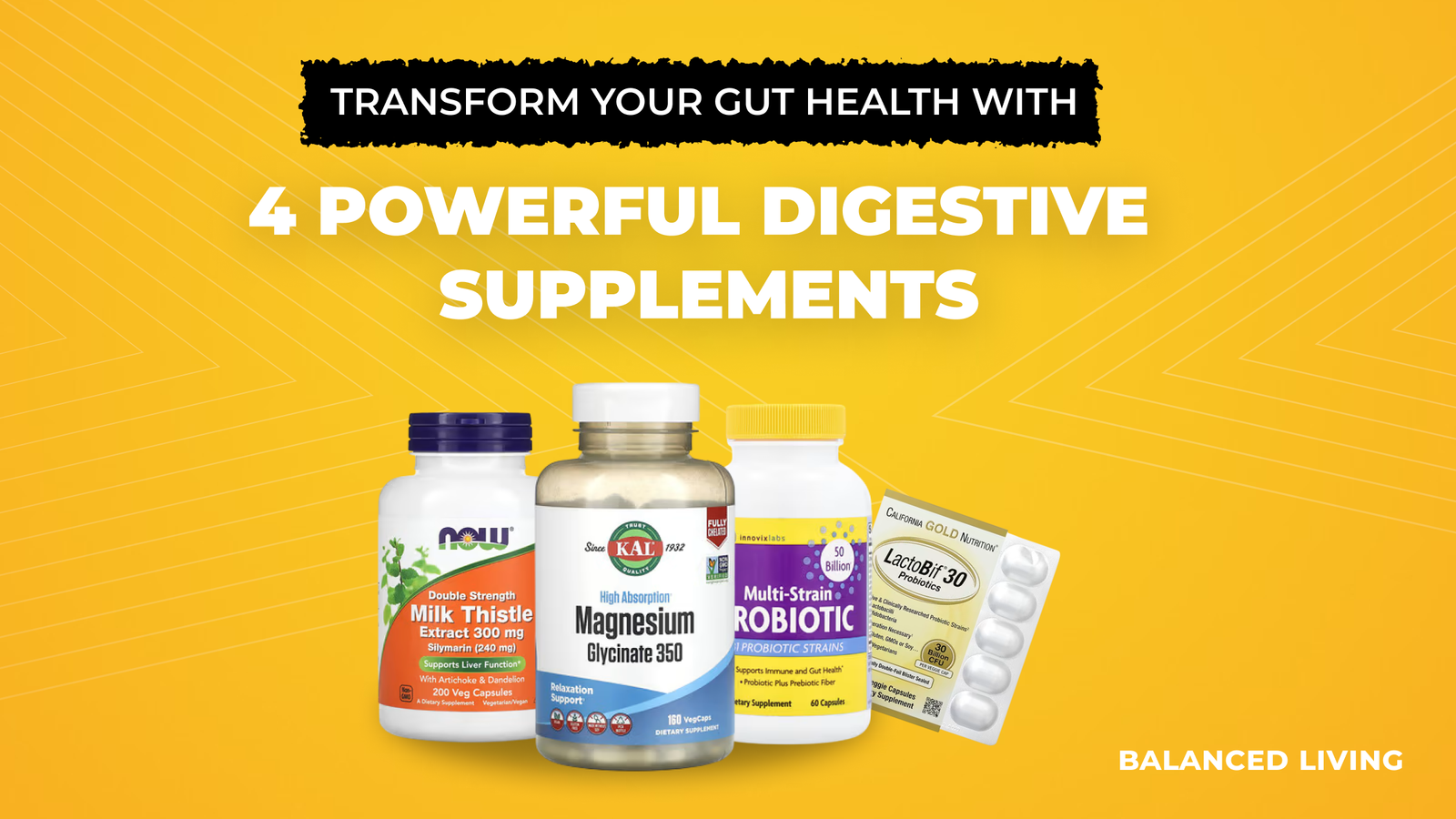
Transform Your Gut Health with 4 Powerful Digestive Supplements
Your gut is more than just where food is digested — it’s the foundation of your well-being. A healthy digestive system supports immunity, energy, skin