





We’ll send self-care tips and coping techniques from our experts straight to your inbox.
Your privacy is important to us
Reach health-conscious readers
We’ll send self-care tips and coping techniques from our experts straight to your inbox.
Your privacy is important to us
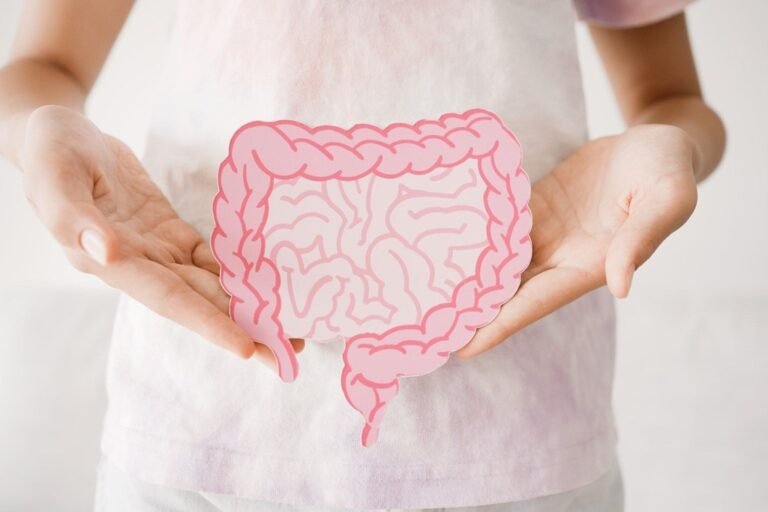
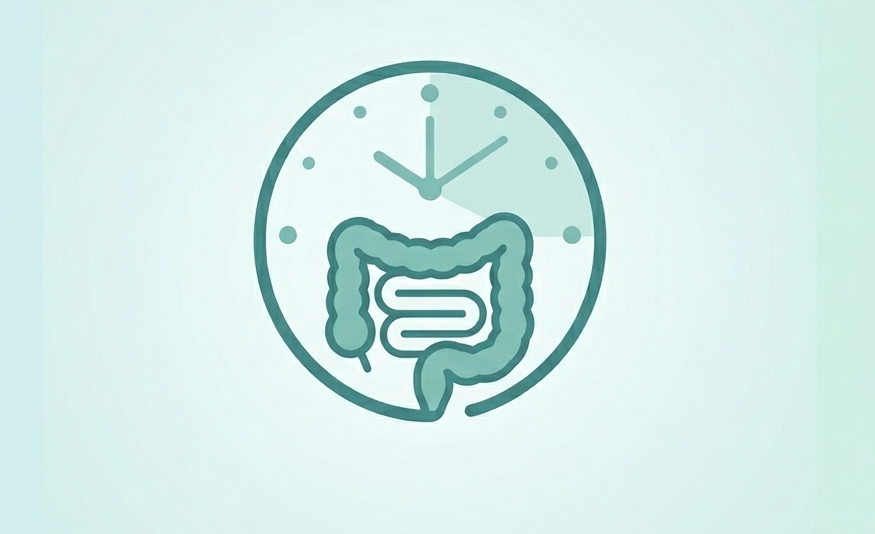
If you’ve recently changed your diet or started focusing on your gut health, one of the first questions that comes up is: how long does it take to improve gut health?
Unfortunately, gut health does not improve overnight. While some changes can happen quickly, deeper recovery, especially at the level of the gut microbiome, takes time and consistency. Your gut is a dynamic ecosystem of trillions of microorganisms that respond to your daily habits, including what you eat, how you sleep, and how you manage stress. Improvements happen in phases, not all at once.
In this guide, we’ll walk through a realistic timeline of gut health recovery, what changes you can expect at each stage, and what factors influence how quickly your gut improves. For a broader overview of how gut health works, see our complete guide to gut health.
When you begin improving your diet or lifestyle, your gut starts responding almost immediately, but not always in ways you expect.
The gut microbiome is highly adaptable. Studies show that microbial activity can begin shifting within 24-72 hours after dietary changes, especially when increasing fiber intake or reducing processed foods. However, these early shifts are functional, not structural.
At the beginning, your gut bacteria are essentially adjusting to a new environment. If you increase fiber, for example, certain bacteria begin fermenting it more actively. This produces beneficial compounds like short-chain fatty acids, but it can also temporarily increase gas production.
In the first days, some people experience increased bloating, changes in stool consistency, and digestive discomfort.
These symptoms often reflect adaptation. Over time, as microbial populations stabilize and diversify, digestion becomes more efficient and symptoms begin to improve.
The first phase of gut health recovery is often the most unpredictable.
If you’ve made significant dietary changes such as increasing fiber or adding fermented foods, your gut microbiome begins adjusting quickly. However, your digestive system may not feel better immediately.
Common experiences in this phase include:
This happens because your gut bacteria are producing more fermentation byproducts as they adapt to new substrates.
Research shows that microbial gene expression can shift within days, but symptom improvement often lags behind these biological changes.
The key during this phase is consistency, not perfection. Avoid the common mistake of abandoning changes too early.
By weeks three to four, many people begin noticing the first meaningful improvements.
At this stage:
These changes reflect early stabilization of the gut environment.
Short-chain fatty acid production increases as fiber-fermenting bacteria become more active. These compounds support gut barrier function and reduce inflammation, which may contribute to symptom relief.
This is also the phase where many people start feeling motivated to continue, as the benefits become more noticeable.
Another important shift during this phase is improved gut motility, meaning how efficiently food moves through your digestive tract. Regular eating patterns, hydration, and fiber intake help normalize this process. As motility improves, many people notice less heaviness after meals and fewer irregular bowel patterns. This is also the stage where consistency begins to matter more than individual food choices, repeating supportive habits daily reinforces these improvements.
Between one and three months, gut health improvements become more consistent and reliable.
During this phase:
Longer-term dietary patterns now start shaping the microbiome more significantly.
For example:
This is also the phase where targeted interventions, such as probiotics, may begin to show measurable effects in certain individuals. For a deeper look at this, see Probiotics Explained: Benefits, Strains, and What the Research Actually Shows.
Significant and sustained improvements in gut health often occur over several months.
At this stage:
Research suggests that long-term dietary patterns, rather than short-term interventions, are the strongest drivers of microbiome composition.
This is where consistency truly pays off.
People who maintain:
tend to experience the most durable improvements.
Not everyone’s gut health recovery timeline looks the same. Several factors can accelerate or slow progress.
Diet is the most powerful driver of gut microbiome change.
A diet rich in:
supports faster improvement.
Another often overlooked factor is meal timing and eating patterns. Irregular eating schedules, frequent snacking, or prolonged fasting without proper planning can disrupt gut motility and microbial rhythms. The gut follows circadian patterns, meaning it functions best with some level of consistency. Eating at roughly similar times each day can support digestion and reduce symptoms, especially in individuals with IBS-like patterns.
For practical guidance, see Best Foods for Gut Health: A Doctor’s Evidence-Based Guide.
Recent or repeated antibiotic use can significantly disrupt microbial balance.
Recovery after antibiotics varies. Some individuals recover within weeks while others may take months for microbial diversity to normalize.
Chronic stress directly affects gut function through the gut-brain axis.
Stress can:
If stress is a major factor, progress may be slower without addressing it. See Stress and Digestion: Why Your Gut Reacts to Anxiety.
Poor sleep disrupts hormonal balance and may affect gut microbiome stability. Consistent sleep patterns support both metabolic and digestive health.
People starting with more severe symptoms or long-standing digestive issues may need more time to see improvement.
Small, consistent changes are more effective than short-term extreme interventions. Gut health improves through repetition, not intensity.
Tracking progress helps maintain motivation.
Signs that your gut health is improving include:
These changes may occur gradually rather than all at once.
For a comparison of symptoms, see 7 Warning Signs of Poor Gut Health You Shouldn’t Ignore.
While many gut symptoms improve with lifestyle changes, certain signs require medical evaluation.
Seek care if you experience:
Avoid self-diagnosing chronic conditions such as IBS, IBD, or food intolerances without proper evaluation.
This article is for informational purposes and does not replace professional medical advice.
You may notice early improvements within 30 days, especially in digestion and energy levels. However, full microbiome recovery typically takes longer, often several months.
Fiber-rich plant foods and fermented foods are the most effective. For a full breakdown, see Best Foods for Gut Health.
Probiotics may help in certain cases, but their effects are strain-specific and not universal. They are best used as a complement to diet, not a replacement.
This is often due to increased fermentation when introducing more fiber. As the microbiome adapts, symptoms usually stabilize and improve.
Signs include improved bowel regularity, reduced bloating, better energy, and improved tolerance to foods over time.
Lorem Ipsum is simply dummy text of the printing and typesetting industry. Lorem Ipsum has been the industry's.

Looking for the perfect hyaluronic acid product to boost your skin’s hydration? Whether you’re targeting fine lines, dryness, or simply want to achieve a healthy

Many people struggle to find the proper skincare routine. A good routine can help prevent aging and keep skin healthy. Clear skin can feel hard,

Trying to build muscle while balancing cardio and strength training? Your training program is just one part of the equation—what you put into your body

Many people struggle to mix cardio and strength training for muscle gain. Doing both is crucial to achieving greater strength and fitness. At Balanced Living,

Finding the proper skincare routine can be hard. Everyone’s skin is different. This post will tell you how to care for each skin type. Balanced

When it comes to achieving clear, radiant skin, choosing the right face cleanser is essential. A good cleanser not only removes dirt, oil, and makeup

Losing weight can feel hard in the mornings. A good start can help a lot. This post talks about 5 morning habits that boost weight
Apple cider vinegar (ACV) has earned its place as a go-to natural remedy for those looking to lose weight, improve digestion, and feel lighter overall.

Many people want to grow their muscles but don’t see results. Why? They make small but essential mistakes that hold them back. These mistakes can
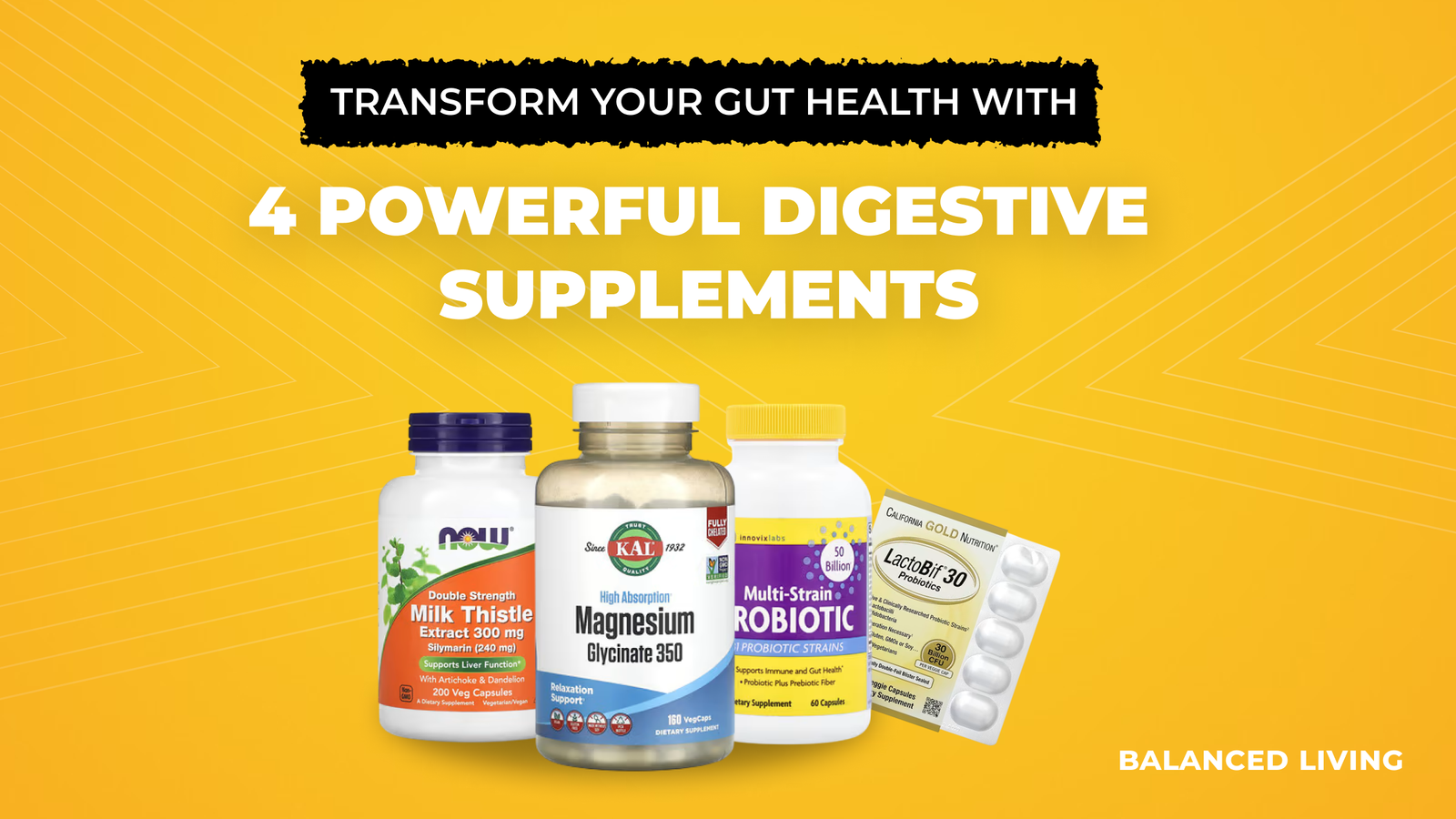
Your gut is more than just where food is digested — it’s the foundation of your well-being. A healthy digestive system supports immunity, energy, skin

Your privacy is important to us
Discover helpful insights and expert tips to manage stress and improve your daily mental health. Stay informed with practical advice and uplifting stories.
We do the research so you don’t have to. Stay in the know with the latest in health and wellness.
Your privacy is important to us
These cookies are essential for Balanced Living’s website to work properly. They can’t be turned off in our system. They are usually set in response to actions you take, like adjusting your privacy settings, logging in, or filling out forms. Without them, our site can’t function as it should.
These cookies help us understand how our website is being used. They let us track visits and traffic sources so we can see which pages are most popular and where we can improve. The information collected is always aggregated and anonymous. If you choose not to allow these cookies, we won’t know when you’ve visited and won’t be able to monitor the site’s performance.
These cookies may be placed by our advertising partners through the Balanced Living site. They help build a profile of your interests to show you more relevant content and ads on other websites. While they don’t store personal information directly, they identify your browser and device. If you don’t allow these cookies, you’ll still see ads, but they may be less tailored to your interests.