Are you struggling to see progress with your muscle gain goals?
Eating the right foods is just as important as lifting weights for building muscles. This guide shares a simple and effective Meal Plan For Muscle Gain, along with tips on meal prep and muscle growth supplements to help you grow stronger.
Start fueling your journey with clear steps below.
- Eating enough protein is key for muscle gain. Aim for 0.7 to 1 gram of protein per pound of body weight each day, from sources like chicken, fish, eggs, and Greek yogurt.
- Complex carbs (like brown rice and oats) and healthy fats (such as avocados and nuts) give lasting energy and support recovery after workouts.
- Drink at least 8 to 10 cups of water daily, especially before and after exercise. Good hydration helps deliver nutrients to muscles.
- Avoid processed foods, sugary drinks, and too much alcohol. These slow muscle growth by adding empty calories or blocking recovery.
- Supplements like whey protein, creatine, and BCAAs can help boost results when paired with a balanced diet and regular strength training.
Why Nutrition Is Essential for Muscle Gain
Muscles need the right fuel to grow. Good nutrition gives your body protein, carbs, and fats for energy and repair. Studies show that people who follow a muscle building diet build more muscle than those who do not focus on their meals.
Your body cannot make new muscle without enough food or nutrients.
Meal prep for muscle gain helps you eat the best foods at the right times. Eating balanced meals boosts recovery after workouts and keeps your energy up during exercise.
Nutrition is as important as lifting weights if you want bigger muscles,
Key Components of a Muscle-Building Diet
A strong diet is key to building muscle. It should focus on protein, carbs, and healthy fats for the best results.
Prioritize Protein Intake
Protein helps build and repair muscles after workouts. Aim for at least 0.7 to 1 gram of protein per pound of your body weight each day if you want to gain muscle. Good sources include chicken, turkey, fish, lean beef, eggs, Greek yogurt, and cottage cheese.
Beans and lentils can work well for plant-based diets.
Spread protein evenly throughout your meals. Try to have some with breakfast, lunch, dinner, and snacks. This steady intake supports muscle growth all day long. Studies show that people who eat enough protein see better results from their strength training efforts.
Incorporate Complex Carbohydrates
Choose complex carbohydrates like brown rice, whole wheat bread, oats, and sweet potatoes. These foods give you steady energy for workouts and daily tasks. Complex carbs digest slower than simple sugars.
Your body uses the energy over a longer time so you feel full longer.
Carbs help your muscles recover after gym sessions. Whole grains and legumes are also rich in fiber, vitamins, and minerals that build strong bodies.Whole grains fuel muscle growth and help keep blood sugar stable.
Next up: Healthy fats make meals complete for muscle gain goals.
Include Healthy Fats
Healthy fats are essential for muscle gain. They support hormone production and help with recovery after workouts. Sources of healthy fats include avocados, nuts, seeds, and olive oil.
These foods provide energy and aid nutrient absorption.
Eating the right amount of healthy fats can enhance your strength training efforts. Include these in your meals to fuel your body properly. Balance them with proteins and carbs for a well-rounded diet that promotes muscle growth.
Maintain Proper Hydration
Hydration is key for muscle growth. Water helps transport nutrients to your muscles. It also aids in digestion and recovery. Drink water throughout the day, especially before, during, and after workouts.
Aim for about 8 to 10 cups daily or more if you exercise heavily.
Dehydration can lead to fatigue and reduced performance. This makes it harder to build muscle effectively. Consider drinks with electrolytes after intense sessions to replenish lost minerals.
With proper hydration, you will feel better and perform well in your workouts. Next up is meal timing and its importance in fueling your gains.
Meal Timing and Its Importance
Meal timing plays a key role in muscle gain. Eating the right foods at the right times can boost your energy and help recovery after workouts.
Pre-Workout Meals
Pre-workout meals help fuel your body. Eating the right foods can boost energy and performance.
- Focus on carbohydrates. Foods like oatmeal and whole grain toast provide the energy you need for a workout.
- Include some protein. Greek yogurt or a protein shake can help support muscle repair while you exercise.
- Keep it light. Heavy meals can make you feel sluggish, so aim for smaller portions.
- Time your meal right. Eat about 30 to 60 minutes before working out for best results.
- Stay hydrated. Drink water before your workout to keep your body functioning well.
- Avoid high-fat foods. These can slow digestion and leave you feeling tired during exercise.
- Consider fruit as a quick option. Bananas or apples are easy to digest and provide natural sugars for energy.
Proper food choices give you the strength needed for muscle gain and improve your workouts significantly.
Post-Workout Recovery Meals
Post-workout meals are key for muscle recovery. Eating the right foods helps rebuild muscles and restore energy.
- A good option is a protein shake. Mix whey protein with water or milk after your workout. This gives your body quick protein to start repairing muscles.
- Chicken breast is another great choice. It provides lean protein that helps build muscle. Pair it with rice for carbohydrates to replenish energy.
- Greek yogurt can be effective as well. It contains protein and probiotics, which aid digestion. Add some fruit for natural sweetness and extra vitamins.
- Eggs offer high-quality protein too. They contain essential amino acids needed for recovery. Make an omelet with spinach for added nutrients.
- Quinoa serves as a complete protein source, rich in complex carbs, too. It fuels energy levels while helping muscle repair.
- Smoothie bowls work well after exercising, too. Blend fruits like bananas and berries with spinach and a scoop of protein powder for a tasty treat.
- Tuna salad is convenient and nutritious. Mix canned tuna with avocado and whole grain crackers for healthy fats and carbohydrates.
- Hummus with whole-grain pita is another viable option, providing fiber and protein to support recovery needs.
- Cottage cheese pairs well with fruits or nuts; it delivers casein protein for sustained muscle repair overnight.
- Don’t forget hydration! Drink water or electrolyte drinks to replace fluids lost during exercise.
Strong post-workout meals play a vital role in muscle gain and recovery time will help you perform better next time you hit the gym, so let’s explore the foods to include in your muscle-building meal plan next!
Foods to Include in Your Muscle-Building Meal Plan
For your muscle-building meal plan, focus on lean proteins like chicken and fish. Whole grains and fresh vegetables also support your fitness goals.
Lean Proteins (Chicken, Fish, Eggs)
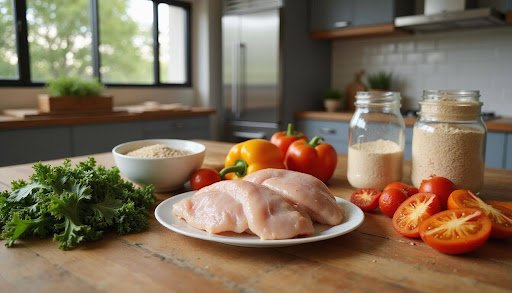
Lean proteins are key for muscle gain. Chicken, fish, and eggs provide high-quality protein. They help build muscle and repair tissue after workouts. Chicken is versatile. You can grill it, bake it, or stir-fry it with veggies. Fish like salmon are rich in omega-3 fatty acids, which support heart health as well as muscle growth. Eggs are not just affordable; they contain all the essential amino acids your body needs for recovery and strength building. Eating these lean proteins regularly can boost your progress and enhance your fitness results.
Whole Grains and Legumes
Lean proteins provide the building blocks for muscles. Whole grains and legumes add more fuel to your diet. They are rich in complex carbohydrates, which give you energy for workouts.
Foods like brown rice, quinoa, and whole-grain bread keep blood sugar steady.
Legumes such as beans, lentils, and chickpeas offer protein along with fiber. This helps with digestion and keeps you full longer. Both whole grains and legumes support muscle gain by providing essential nutrients that aid recovery after exercise. Eating these foods can help maximize your workout results.
Fruits and Vegetables
Fruits and vegetables are essential for muscle gain. They provide vitamins, minerals, and antioxidants. These nutrients support overall health and assist with recovery after workouts.
Include a variety of colorful options in your meals. Dark leafy greens offer iron, while citrus fruits provide vitamin C. Bananas are great for potassium, which helps prevent cramps during workouts.
Eating a mix of these foods energizes your body and keeps it strong.
Foods to Avoid or Limit for Optimal Results
Processed foods can slow your muscle gains. They often contain unhealthy fats and too much sugar. Sugary drinks add empty calories and do not help you build muscle. Drinking too much alcohol can also hurt your progress.
Processed Foods
Processed foods can be harmful to muscle gain. These items often contain high levels of sugars, unhealthy fats, and salt. They are low in nutrients. Eating them can lead to weight gain and health issues.
Opt for whole foods instead. Lean proteins like chicken and fish help build muscles. Whole grains provide energy for workouts. Fresh fruits and vegetables offer vitamins and minerals your body needs.
Focus on nutritious options for better results in your muscle-building journey.
Sugary Drinks
Sugary drinks can hinder muscle gain. They are full of empty calories and provide little nutrition. Drinking soda or sweetened teas adds sugar, which can lead to weight gain instead of muscle.
High sugar intake may also cause energy crashes during workouts.
Choose water, unsweetened tea, or other low-calorie options instead. These drinks will keep you hydrated without the extra sugars. Staying away from sugary beverages helps support your fitness goals more effectively.
Prioritize healthy choices for better results in your muscle-building journey.
Excessive Alcohol
Excessive alcohol can harm muscle gain. It can affect your body in many ways. Drinking too much reduces protein synthesis. This makes it harder for muscles to grow and repair. Alcohol also adds empty calories, which can lead to weight gain but not muscle gain.
Drinking heavily impacts hydration levels too. Dehydration slows down recovery after workouts. This means less strength and energy when you train next time. Cutting back on alcohol is a smart move if you want better results from your diet and exercise plan.
Sample 7-Day Meal Plan for Muscle Gain
This plan gives you tasty meal ideas to help build muscle each day. It shows how to mix proteins, carbs, and fats for the best results. You won’t want to miss these easy recipes!
Breakfast, Lunch, and Dinner Ideas
Fueling your body with the right meals helps build muscle effectively. Here are some meal ideas for breakfast, lunch, and dinner.
- Scrambled eggs with spinach and whole-grain toast. This meal provides protein and healthy carbs that energize you.
- Greek yogurt topped with berries and nuts. It offers protein, fiber, and healthy fats in one delicious bowl.
- A smoothie made with banana, oats, and almond milk. This drink is quick to make and packs a punch of nutrients.
- Grilled chicken breast served with quinoa and steamed broccoli. It gives lean protein along with complex carbohydrates and vitamins.
- Turkey wrap using whole-grain tortillas filled with lettuce, tomato, and mustard. This simple wrap is easy to prepare and great for lunch.
- Lentil soup paired with whole-grain bread. You get fiber, protein, and a warm comfort food all in one dish.
- Baked salmon accompanied by sweet potatoes and asparagus. Salmon is rich in omega-3s while sweet potatoes offer good carbs.
- Stir-fried tofu mixed with bell peppers over brown rice. Tofu provides plant-based protein while veggies add essential nutrients.
- Oatmeal cooked with milk topped with sliced bananas and peanut butter for breakfast; it combines healthy fats and carbs well.
- Beef stir-fry loaded with mixed vegetables served over brown rice or noodles; this dish is flavor-packed while giving plenty of energy.
These meals will help support your muscle-building goals effectively while keeping you satisfied throughout the day.
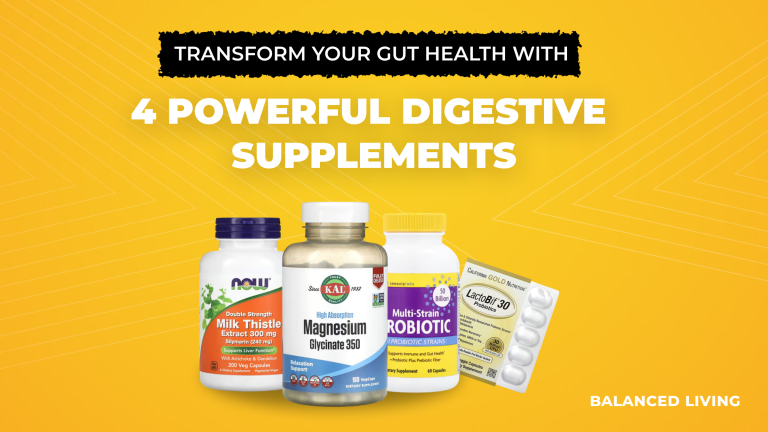
The Role of Supplements in Muscle Building
Supplements can help boost your muscle-building efforts. They provide extra nutrition when you need it most.
Whey Protein
Whey protein is a popular choice for muscle gain. It comes from milk during the cheese-making process. This protein is absorbed quickly by the body. Many athletes use it to boost muscle recovery and growth.
Whey protein contains all essential amino acids. These are important for building and repairing muscles. Studies show that taking whey after workouts can enhance results. Including whey in your diet can help you reach your fitness goals faster.
Creatine
Creatine helps your muscles work harder. It is a compound made of three amino acids. Your body makes some creatine on its own, but you can also get it from certain foods like meat and fish.
Many athletes take creatine as a supplement to boost their performance.
Studies show that creatine can increase muscle mass and strength when used with exercise. It may enhance recovery after workouts too. This supplement is popular among weightlifters and those looking to gain muscle quickly, making it an important part of many meal plans for muscle gain.
Branched-Chain Amino Acids (BCAAs)
Branched-chain amino acids, or BCAAs, play a key role in muscle building. They include three important amino acids: leucine, isoleucine, and valine. These help build muscle and reduce fatigue during workouts.
Taking BCAAs before or after exercise can improve recovery time.
Many people use supplements to get the right amount of BCAAs in their diet. Foods like eggs and chicken also provide these important nutrients. Including them in your meal plan will support your journey to gain muscle effectively.
Conclusion
A solid meal plan is key for muscle gain. Eating the right foods helps you build strength and improve recovery. Focus on protein, carbs, and healthy fats for better results. Stay consistent with your meals and workouts for success.
Enjoy your journey to a stronger you!