






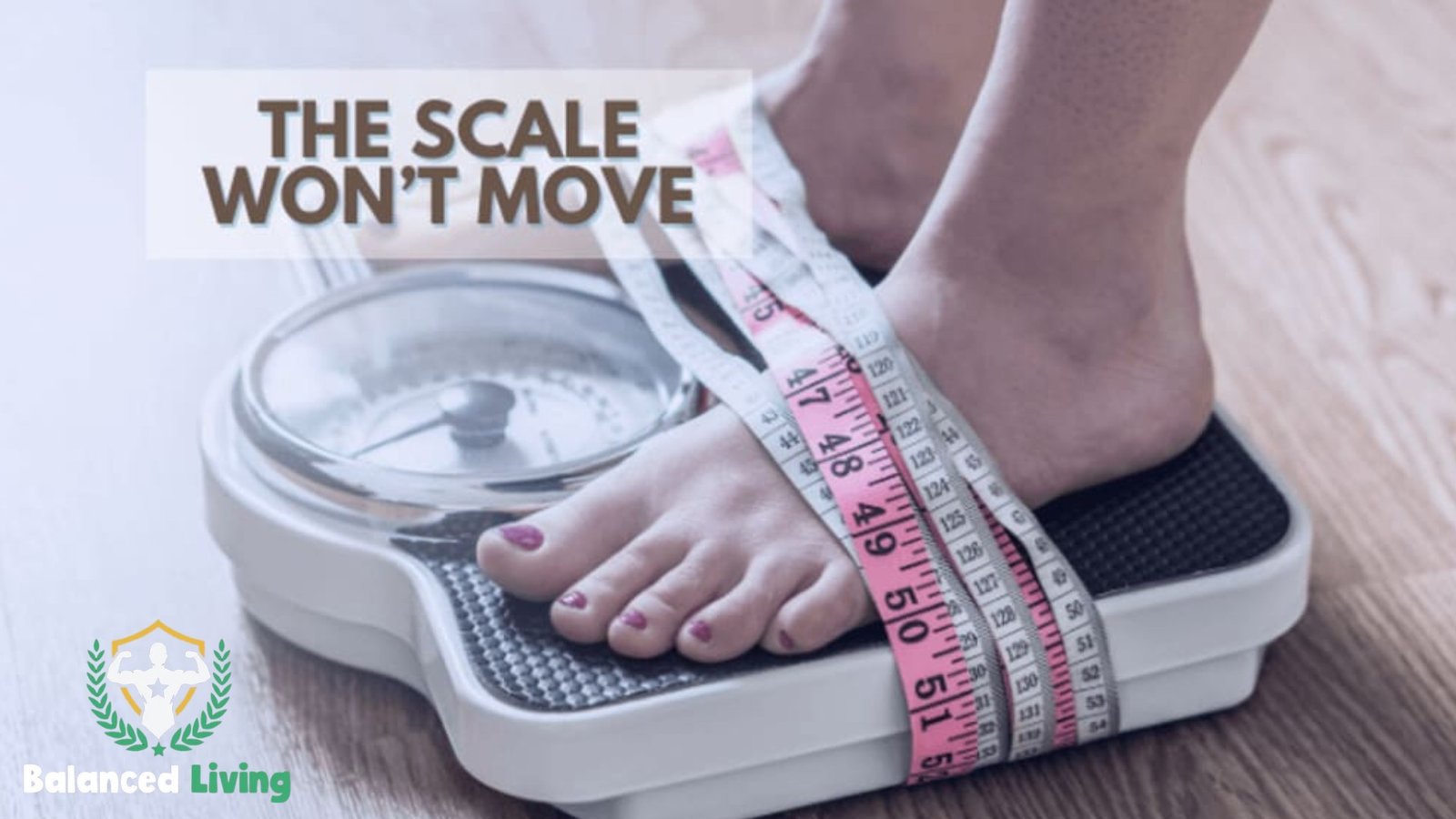
You’ve been eating better, exercising more, and watching your portions. At first, the scale dropped. Then it stopped. Days turn into weeks, and nothing seems to change anymore.
A weight loss plateau is one of the most common and frustrating parts of fat loss. Many people assume they are doing something wrong, but in reality, plateaus are a normal biological response. Your body is designed to protect its energy stores, not to help you lose weight quickly.
Understanding why the scale stops moving is the first step to getting progress back on track.
Why Weight Loss Plateaus Happen
A weight loss plateau happens when your body adjusts to your new eating and activity habits. Early in a diet, weight drops faster because of water loss and reduced glycogen stores. After that phase, weight loss becomes slower and more gradual.
Several factors can contribute to a weight loss plateau, including metabolic adaptation, hidden calories, poor sleep, and stress. Most of the time, the issue is not a broken metabolism, but small habits that add up over time.
Your Body Is Adapting
As you lose weight, your body requires fewer calories. A lighter body burns less energy during everyday activities like walking, climbing stairs, or even sitting. At the same time, your metabolism may slow slightly. This is known as metabolic adaptation. The body becomes more efficient, using fewer calories to perform the same tasks.
Hormones involved in hunger and fullness change as well. Leptin, a hormone that signals fullness, often decreases as body fat drops. Hunger hormones such as ghrelin may increase. This combination can make you feel hungrier than before, even if you are eating the same meals. These changes are normal and part of the body’s survival system.
You’re Losing Fat but Not Weight
The scale does not always reflect fat loss accurately. Your body weight can fluctuate for many reasons, including water retention, muscle gain, and digestion.
Starting a new workout program, especially strength training, can lead to temporary water retention as muscles repair and adapt. High sodium meals, stress, and hormonal changes can also increase water weight.
Instead of focusing only on the scale, look at other progress markers:
- How your clothes fit
- Waist or hip measurements
- Progress photos
- Strength and endurance levels
Hidden Calories Add Up
One of the most common reasons for a weight loss plateau is small, unnoticed calories. These can come from:
- Cooking oils and butter
- Salad dressings
- Sugary drinks or flavored coffees
- Frequent small snacks
- Larger portion sizes than expected
Even an extra 150 to 200 calories per day can eliminate your calorie deficit. Over time, these small additions can completely stop weight loss. Careful tracking for a few days can often reveal where these extra calories are coming from.
Sleep, Stress, and Hormones
Sleep and stress have a powerful effect on weight loss. When you consistently sleep less than six hours per night, your body produces more ghrelin, the hormone that increases hunger, and less leptin, the hormone that signals fullness. This can lead to stronger cravings and larger portion sizes.
Chronic stress raises cortisol levels. Elevated cortisol may increase appetite and promote fat storage, especially around the abdominal area. Stress can also reduce motivation to exercise and make emotional eating more likely. For many people, improving sleep and stress management helps restart weight loss.
Common Mistakes That Keep the Scale Stuck
Some habits appear healthy but can quietly slow progress when it comes to your weight loss journey.
Eating Too Little
Severely restricting calories may seem like the fastest solution, but it often backfires. Very low-calorie diets can reduce energy levels, slow metabolism, and increase cravings.
Most adults should not drop below:
- 1,200 calories per day for women
- 1,500 calories per day for men
Unless a healthcare professional supervises the plan, going lower is rarely sustainable.
Inconsistent Tracking
Research shows that people often underestimate their calorie intake. Common tracking mistakes include:
- Guessing portion sizes
- Forgetting snacks or drinks
- Logging meals only part of the week
- Not counting sauces or toppings
Accurate and consistent tracking, even for a short period, can reveal where adjustments are needed.
Overestimating Exercise Calories
Many fitness trackers and gym machines overestimate calorie burn. If you eat back all the calories your device says you burned, you may erase your deficit without realizing it. Exercise is important for health, strength, and long-term weight maintenance, but diet usually plays a more important role in weight loss.
How to Break a Weight Loss Plateau
Breaking a plateau does not require extreme diets or punishing workouts. Small, strategic adjustments usually work better.
Recalculate Your Calorie Needs
As body weight decreases, calorie needs also drop. A plan that worked at the start may no longer create a deficit.
Recalculate your maintenance calories using your current weight, then reduce intake by about 300 to 500 calories per day. This approach supports steady and sustainable fat loss.
Increase Daily Movement
Daily movement outside of structured workouts plays a major role in total calorie burn. You can increase your activity by:
- Walking more throughout the day
- Taking the stairs instead of the elevator
- Standing or stretching during work breaks
- Adding short activity sessions between tasks
This type of movement, called non-exercise activity thermogenesis (NEAT), can significantly boost energy expenditure.
Focus on Protein and Fiber
Protein helps preserve muscle and improves satiety. Fiber slows digestion and stabilizes blood sugar, which helps control hunger.
| Nutrient | Daily Target |
|---|---|
| Protein | 1.2 – 1.6 g per kg of body weight |
| Fiber | 25 – 30 g per day |
Helpful foods include:
- Eggs, chicken, fish, tofu, or beans
- Lentils and whole grains
- Vegetables and fruits
- Nuts and seeds in moderate portions
Meals built around protein and fiber are easier to maintain over time.
Prioritize Sleep and Stress Control
Lifestyle factors often determine whether a plateau continues or breaks. Aim for:
- Seven to nine hours of sleep per night
- A consistent sleep schedule
- Stress-reducing habits such as walking, stretching, journaling, or meditation
Better sleep improves appetite regulation, mood, and energy — all of which support weight loss.
Conclusion
Weight loss plateaus are normal. As you lose weight, your body adapts. Calorie needs change, hormones shift, and progress slows. Hidden calories, poor sleep, or inconsistent habits can quietly cancel out your deficit.
Instead of drastic changes, focus on small, steady adjustments. Recalculate your calorie intake, increase daily movement, eat enough protein and fiber, and protect your sleep. These simple steps often restart progress.
- Weight loss plateaus are a normal biological response — your body adapts to lower calorie intake by reducing energy expenditure and shifting hunger hormones.
- The scale doesn’t tell the full story. Body composition can improve (fat loss, muscle gain) even when weight stays the same.
- Hidden calories from cooking oils, dressings, and snacks can quietly eliminate your calorie deficit.
- Poor sleep and chronic stress raise cortisol and ghrelin, increasing appetite and promoting fat storage.
- Small, strategic adjustments — recalculating calories, increasing NEAT, prioritizing protein/fiber, and improving sleep — are more effective than extreme measures.
Frequently Asked Questions (FAQ)
A plateau can last from a few days to several weeks. Water retention, stress, or small changes in calorie intake can all contribute.
Not always. Cutting calories too aggressively can slow metabolism and increase hunger. A small reduction of 300–500 calories is usually more effective.
Yes. Chronic stress can increase cortisol levels, which may promote fat storage and increase cravings.
Yes. Body weight changes due to water balance, digestion, sodium intake, hormones, and workouts.
Both are important, but diet usually has a larger impact on creating a calorie deficit, while exercise supports muscle retention and overall health.