





Struggling to figure out why you’re not losing weight? Even with effort, the scale can refuse to budge for many surprising reasons. Small habits, hidden factors, or even stress might be working against you.
Keep reading to uncover what’s holding you back and how to fix it!
Poor Sleep and Weight Gain

You might not realize it, but poor sleep can mess with your hormones and hunger cues. When you’re not well-rested, your body stores more fat and craves high-calorie foods.
How sleep impacts weight loss
Lack of sleep messes with your hunger hormones, ghrelin and leptin. Ghrelin makes you feel hungry, while leptin signals fullness. Poor sleep increases ghrelin and lowers leptin, leaving you craving high-fat or sugary foods.
This means more late-night snacking and overeating.
Sleep deprivation slows down your metabolism too. Your body struggles to burn calories efficiently, making weight loss harder. Studies show that adults getting less than 7 hours of quality sleep face a higher risk of gaining weight over time.
Solution: Prioritizing sleep hygiene
Sleep problems can slow down your progress with fat management. Improving your sleep hygiene may help you overcome this hurdle and support steady health progress.
- Set a bedtime and stick to it, even on weekends. A consistent schedule helps your body regulate its internal clock.
- Create a calming nighttime routine. Dim the lights, read a book, or take a warm shower to wind down before bed.
- Avoid caffeine at least 6 hours before sleeping. Caffeine can stay in your system for hours and disrupt deep sleep cycles.
- Put away screens an hour before bedtime. Blue light from phones and TVs interferes with melatonin, the hormone that prepares you for sleep.
- Keep your bedroom cool, quiet, and dark for better rest quality. A peaceful space promotes uninterrupted rest, which aids metabolism recovery.
- Skip heavy meals or alcohol close to bedtime. Both can disturb your digestion and prevent restorative sleep.
- Exercise earlier in the day if possible. While physical activity is helpful for overall health, late-night workouts might energize you too much before bed.
- Limit naps during the day to 20 minutes max if you need one. Long naps can mess up your nightly sleep pattern.
- Listen to relaxing sounds or try mindfulness techniques like breathing exercises before bed to lower stress levels.
Focusing on these small habits can improve both sleep quality and energy balance while helping you achieve long-term health objectives!
Is Stress Sabotaging Your Fat Loss?
Stress can mess with your body in ways you might not expect, especially when trying to shed pounds. It triggers hormones that can make your cravings spike and slow your progress.
The role of cortisol in weight retention
Chronic stress triggers your body to release more cortisol, a hormone designed to help you handle tough situations. But too much can mess with your weight management. High cortisol levels encourage fat storage, especially around your belly, and make you crave sugary or fatty foods.
This hormone also changes how your body uses energy. Higher levels may slow metabolism and increase hunger signals. It’s like having a double-edged sword working against your efforts.
Managing stress through relaxation techniques helps keep cortisol in check and supports fat loss goals.
Solution: Managing stress through mindfulness and relaxation
Stress can make fat loss harder by raising cortisol. High cortisol can lead to overeating, cravings, or even water retention.
- Practice deep breathing exercises daily. Even five minutes of slow, mindful breathing reduces stress levels quickly.
- Try meditation to calm your mind and body. Apps or guided videos are great for beginners.
- Take part in relaxing hobbies like drawing, gardening, or writing. These help shift focus and reduce tension.
- Use progressive muscle relaxation at bedtime. This technique involves tensing and relaxing each muscle group, which promotes better sleep.
- Spend time outside in fresh air or nature daily. Walking outdoors lowers cortisol and boosts your mood naturally.
- Limit screen time before bed to improve sleep quality. Blue light from devices disrupts your circadian rhythm.
- Keep a journal to track thoughts and feelings during tough days. Writing helps clear mental clutter and reduce anxiety.
- Include gentle activities like yoga or tai chi weekly for both movement and relaxation benefits.
- Listen to calming music when feeling overwhelmed at work or home tasks pile up; music soothes the nervous system effectively.
- Set aside 10-15 minutes a day for quiet reflection without distractions; this alone creates balance amidst hectic schedules!
Undiagnosed Medical Conditions
Sometimes, your body might be dealing with something you can’t see. Certain conditions could slow things down and make progress harder.
Conditions like hypothyroidism or PCOS
An underactive thyroid (hypothyroidism) or polycystic ovary syndrome (PCOS) can make it harder to achieve your weight management goals. Hypothyroidism reduces how fast your body uses energy, leading to a slower resting metabolic rate.
PCOS may cause insulin resistance, making it harder for your body to manage blood sugar and reduce fat storage. Both conditions often lead to fatigue, which may lower activity levels.
Certain medications for these issues might contribute to weight gain too. You need specific strategies for managing symptoms and creating a calorie deficit safely. Regular testing of hormones like thyroid-stimulating hormone (TSH) can help you understand what’s happening in your body.
By working with a healthcare provider, you can explore effective treatments and build healthy habits that suit your needs.
Solution: Seeking medical advice and proper treatment
Sometimes, struggles with body weight challenges have deeper causes. Unchecked medical conditions could be the reason for slow progress.
- Hypothyroidism slows your metabolism. If you feel tired, cold, or notice hair thinning, it might be time to see a doctor. Blood tests can confirm if your thyroid needs support.
- Conditions like PCOS impact hormones and make reducing body fat harder. This can cause irregular periods, acne, or excess hair growth. A healthcare provider can guide you on managing symptoms effectively.
- Diabetes or prediabetes may affect insulin sensitivity, leading to weight gain. Unexplained fatigue or frequent thirst are signs to discuss with a professional.
- Sleep apnea disrupts rest and contributes to weight gain. If people say you snore loudly or stop breathing briefly in your sleep, bring this up during checkups.
- Hormonal imbalances often go unnoticed but play significant roles in appetite and fat storage. Tests for cortisol levels or vitamin D deficiencies could reveal hidden issues.
- Chronic stress leads to high cortisol levels that encourage abdominal fat storage over time. A counselor or therapist might help manage prolonged emotional strain better than self-led solutions.
- Medications like antidepressants may slow progress unknowingly by changing how calories are stored in fat cells; inform doctors about all prescriptions you’re currently taking.
- Keeping a food diary before an appointment offers insight into habits that need improvement; professionals value accurate data when offering customized advice.
- Always consult trusted experts instead of relying on unproven online methods; individualized care ensures safe management of long-term health goals without unrealistic expectations!
Overestimating Calorie Burn
It’s easy to think you burned more calories than you did after a workout. This can lead to eating back those calories and stalling progress.
Misjudging exercise-based calorie expenditure
Exercise burns calories, but not as much as you might think. Many people overestimate how much they burn during workouts and use this to justify overeating. For example, a 30-minute jog may only burn about 300 calories for the average person.
Eating a “reward” muffin could easily cancel that out.
To fix this, track your activity with tools like fitness watches or apps that provide accurate estimates of calorie burn. Pair exercise with mindful eating to avoid consuming more than needed.
Focus on total energy expenditure instead of relying solely on workouts for fat loss results.
Solution: Using accurate tracking tools
Tracking your calories and activities helps you know exactly where you stand. It clears up any guesswork about how much you’re eating or burning.
- Write down everything you eat and drink in a food diary. This includes snacks, condiments, and even sugary drinks. Small bites here and there can add up quickly.
- Use apps or tools to log your meals accurately. Many let you scan barcodes or search for foods by name, making it easy to keep track of portion sizes.
- Track your exercise too, but don’t overestimate calorie burn. Machines at the gym often give inflated numbers. Devices like fitness watches can provide better estimates.
- Check serving sizes carefully on packaging labels. Foods that seem low-calorie are sometimes measured for tiny portions that aren’t realistic.
- Compare your activity level with what you’re eating daily. If you’re not seeing progress, adjust either your intake or exercise routine based on this data.
- Stay consistent every day with tracking until it feels natural. The more accurate you are about logging details, the faster you’ll see patterns and areas to tweak.
- Review weekly trends rather than focusing only on daily changes in progress; weight fluctuates naturally due to water retention or hormones.
These tools help uncover hidden obstacles in your diet or routine without guessing!
Hidden Calories in Beverages
Your drinks might be sneaking in more calories than you think. From sugary coffee to cocktails, these liquid choices can quietly derail your progress.
Sugary drinks and alcohol adding extra calories
Sugary drinks like sodas or fruit juices pack hidden calories. Drinking just one can of soda a day could equal three extra chocolate biscuits in calories. These drinks don’t keep you full, so you end up eating more throughout the day.
Alcohol adds even more problems. It contains empty calories and often leads to snacking on unhealthy foods, like chips or fries. A single glass of wine or beer can quickly add hundreds of calories to your daily intake without offering any real nutrition.
Skipping protein in your diet may also be holding back progress with fat loss goals.
Solution: Switching to water or low-calorie drinks
You might be drinking more calories than you think. Sugary drinks and alcohol can sneak in extra energy, slowing your progress.
- Sodas, juices, and fancy coffee drinks often hide a lot of sugar. A single soda can have 150 calories or more. That adds up fast if you drink them daily.
- Alcohol is another culprit. A standard beer has about 150 calories, while cocktails can pack over 300 per glass due to mixers and syrups.
- Energy drinks might seem like a good boost but often contain added sugars too. These can mess with your blood sugar levels and increase cravings later.
- Swapping sugary beverages for water helps cut unnecessary calories quickly. Add lemon or cucumber slices for flavor without the extra energy.
- Low-calorie options like unsweetened tea or coffee work well when you want something besides water. Choose these to support better hydration without added sugar.
- Eating whole fruit instead of drinking juice is smarter for weight management. Whole fruits give you fiber that keeps you full and benefits digestion.
- Tracking everything you drink with an app or journal can reveal where hidden calories come from. Awareness makes it easier to make small changes that add up.
Stick with drinks that hydrate and nourish your body instead of those that pile on empty calories!
Skipping Protein in Your Diet
Your body needs protein, like a car needs fuel. Without it, you might feel hungrier and lose muscle instead of fat.
Why protein is essential for fat loss
Protein helps you burn fat while keeping muscle. Without enough protein, your body breaks down muscle for energy instead of burning fat. This slows your metabolism and makes it harder to lose weight.
Eating protein also keeps you full longer. It curbs hunger and reduces cravings, making it easier to stick to a calorie-restricted diet. Foods like chicken, fish, eggs, or lentils are great sources of protein that help support fat loss goals.
Skipping this important nutrient could be why results feel slow.
Solution: Incorporating high-protein meals
Eating enough protein can help you lose weight. It keeps you full, boosts your metabolism, and supports muscle growth.
- Add lean meats like chicken breast or turkey to your meals. These are rich in protein and low in fat.
- Include fish like salmon, which also contains healthy fats for heart health.
- Eat eggs for breakfast or snacks. They are quick to prepare and full of nutrients.
- Choose plant-based proteins like beans, lentils, or tofu if you don’t eat meat. These pack fiber too, which helps with digestion.
- Snack on Greek yogurt or cottage cheese between meals. Both have a strong protein punch with fewer calories than regular options.
- Sprinkle nuts or seeds on salads for extra crunch and protein. Be mindful of portion sizes since these are calorie-dense.
- Use protein powder in smoothies when you’re busy. It’s an easy way to boost intake without cooking a meal.
- Replace simple carbs, like white bread or pasta, with quinoa or chickpeas for more balance at lunch or dinner.
- Plan each meal around a source of protein to avoid skipping it during the day.
High-protein meals don’t need to be boring. You can mix flavors and try new recipes while staying on track!
Relying on Processed “Healthy” Foods
Packaged foods labeled as “healthy” can be sneaky, hiding added sugars, unhealthy fats, or extra calories. Choosing fresh and whole options might make a bigger difference than you think.
Misleading health claims on packaged foods
Some so-called “healthy” snacks are full of hidden sugars and extra calories. Labels like “low-fat” or “natural” can trick you. They might lead you to eat more than planned, thinking it’s guilt-free.
Always check the ingredients list. Watch for added sugars or unfamiliar names like maltose or syrup. Instead of trusting buzzwords, pick whole foods like fruits, veggies, or nuts to help manage your calorie intake better.
Solution: Choosing whole, natural foods
Eating whole, natural foods can help you manage your weight better. These foods are packed with nutrients and free from hidden sugars or calories.
- Choose fresh fruits and vegetables instead of packaged snacks. Whole produce is rich in fiber and helps keep you full longer.
- Cook meals at home to control ingredients. This gives you control over added fats, salts, or sugars.
- Avoid processed “healthy” foods like granola bars or low-fat options. Many contain extra sugar or chemicals that can hinder progress.
- Pick whole grains like quinoa or brown rice over white bread or pasta. They digest slower, keeping hunger in check.
- Include lean proteins such as chicken, fish, beans, or eggs. Protein builds muscle while promoting a healthy metabolism.
- Snack on nuts and seeds in small portions for healthy fats. These provide energy without overeating.
- Read food labels carefully to spot hidden additives like syrup or hydrogenated oils. Stick to items with simple ingredients you know and understand.
Focusing on real food means fewer empty calories and better health!
Lack of Strength Training
You might be stuck because you’re skipping strength training. Lifting weights boosts your metabolism, helping you burn more calories even at rest.
Benefits of building muscle for metabolism
Muscle burns calories even while you rest. Fat tissue does not do this, making muscle a big help in boosting your resting metabolic rate. The more muscle you have, the more energy your body uses throughout the day, even during sleep.
Strength training helps with fat loss by improving body composition. Gaining muscle may make the scale stall or go up temporarily, but don’t sweat it. You’re burning fat and shaping a stronger figure beneath those numbers.
Solution: Adding resistance training to your routine
Building muscle doesn’t just make you stronger. It also helps your body burn more calories, even when you’re resting. Adding resistance training to your routine can make a big difference in managing body fat and boosting metabolism.
- Lift weights at least two to three times a week. This could involve dumbbells, kettlebells, or even resistance bands. Each session should target major muscle groups like legs, arms, chest, and back.
- Focus on progressive overload. Gradually increase the weight or resistance over time to challenge your muscles and help them grow stronger.
- Combine it with aerobic activities like walking or running for better fat loss results. While cardio burns calories during exercise, strength training increases long-term calorie burn by building lean muscle.
- Start small if you’re new to this type of exercise. Bodyweight exercises like squats, push-ups, or planks are great starting points.
- Rest between workouts to allow muscles time to repair and grow stronger after each session. Aim for at least one full day off before working the same muscle group again.
- Track your progress over weeks or months by noting improvements in strength or stamina during sessions.
- Seek guidance from a personal trainer if needed to learn proper form and avoid injury while lifting weights.
- Mix up your routine every few weeks so you don’t hit a plateau or get bored with the same moves.
- Pair strength training with high-protein meals for maximum benefits since protein supports muscle repair and growth after workouts.
- Make it fun! Choose activities you enjoy that still challenge your body, whether it’s Pilates classes or lifting free weights at home.
Adding resistance training takes patience but pays off in better energy levels and improved fat-burning potential!
Hormonal Imbalances You Might Overlook
Hormones act like tiny messengers in your body, and when they’re out of balance, they can make losing weight feel impossible. If you suspect this is holding you back, it’s worth exploring with a trusted doctor.
Common hormonal disruptions affecting weight
Thyroid disorders, like hypothyroidism, can slow your metabolism. This might cause weight retention even with a healthy diet. Polycystic ovarian syndrome (PCOS) can also lead to hormonal imbalances that make fat loss harder and increase cravings.
Both conditions often bring fatigue or low energy, which may make exercise feel more challenging.
Medications for issues like birth control or mental health may alter hormones too. These changes can impact appetite-regulating hormones and water retention. Poor gut health and inflammation also play roles in disrupting hormone balance, making it tougher to lose body fat effectively.
Explore medical testing to check thyroid hormones or insulin levels if shifts in weight seem unexplained or sudden!
Solution: Consulting a doctor for hormone testing
Hormonal imbalances can slow your metabolism and make it tough to lose weight. A doctor can help identify hidden issues holding you back.
- Get hormone levels checked if weight isn’t budging despite effort. Conditions like hypothyroidism or PCOS may be the cause.
- Thyroid hormone deficiency, such as subclinical hypothyroidism, often goes unnoticed but affects energy use in the body.
- High cortisol from chronic stress can lead to more fat storage, especially around your belly. Testing identifies this problem early.
- Hormones like insulin, progesterone, and estrogen also play a role in how your body handles food intake and stores fat.
- Common symptoms include fatigue, mood swings, or irregular periods alongside trouble losing weight. These signs shouldn’t be ignored.
- Proper treatment for an imbalance could boost progress with strategies like levothyroxine for thyroid disorders.
Talk to your doctor about testing if you’ve tried everything without success! Understanding medical conditions also helps with improving sleep and stress management.
Emotional Eating and Cravings
Stress or sadness can push you toward food for comfort, even when you’re not hungry. Learning to spot these triggers helps you take back control over your choices.
How emotions lead to overeating
Strong feelings like sadness or worry can make you eat without thinking. You might reach for chips, cookies, or ice cream to feel better. These “comfort foods” are often high in sugar and fat, adding more calories than your body needs.
Cravings tied to emotions can mess with your weight-loss goals. Stress raises cortisol levels, which increases hunger and cravings for unhealthy snacks. This sets a trap that keeps weight on and makes losing it tougher.
Learning what triggers these moments can help you take control instead of turning to food.
Solution: Identifying triggers and practicing mindful eating
Emotional eating can sneak in when stress or sadness takes over. These habits often derail your weight goals without you even noticing.
- Keep a food and mood journal. Write down what you eat and how you feel each day. Patterns will start to appear, showing how emotions affect your food choices.
- Learn to pause before eating. Take a moment to ask yourself if you’re truly hungry or just bored, tired, or upset.
- Practice mindful eating during meals. Chew slowly, savor the flavors, and focus on each bite instead of distractions like TV or phones.
- Identify triggers that spark overeating. Stress from work or arguments may push you toward snacks for comfort.
- Replace emotional eating with calming activities. Go for a walk, listen to music, or practice deep breathing instead of reaching for junk food.
- Focus on balanced meals throughout the day. High-protein foods help keep you full longer and reduce cravings triggered by emotions.
- Stay hydrated; thirst often feels like hunger but leads to unnecessary snacking.
- Seek support from friends or family if feelings overwhelm you often. Talking helps release stress that might otherwise become emotional eating.
Conclusion
Your body is unique, and so is your weight journey. Small tweaks in sleep, diet, and activity can make a big difference. Pay attention to signals from your body; they often show you what’s missing.
If progress feels stuck, don’t stress. Stay consistent with healthy habits, be patient, and seek support when needed!
Was this article helpful?
Thanks for your feedback!


Top 8 Hyaluronic Acid Skincare Products for Plump, Hydrated Skin
Looking for the perfect hyaluronic acid product to boost your skin’s hydration? Whether you’re targeting fine lines, dryness, or simply want to achieve a healthy

How to Build a Skincare Routine That Actually Works
Many people struggle to find the proper skincare routine. A good routine can help prevent aging and keep skin healthy. Clear skin can feel hard,

5 Best Supplements to Build Muscle Mass
Trying to build muscle while balancing cardio and strength training? Your training program is just one part of the equation—what you put into your body
How To Balance Cardio And Strength Training For Maximum Gains
Many people struggle to mix cardio and strength training for muscle gain. Doing both is crucial to achieving greater strength and fitness. At Balanced Living,

Which Skincare Routine Is Right for Your Skin Type?
Finding the proper skincare routine can be hard. Everyone’s skin is different. This post will tell you how to care for each skin type. Balanced

Best Face Cleansers for Clear, Healthy Skin
When it comes to achieving clear, radiant skin, choosing the right face cleanser is essential. A good cleanser not only removes dirt, oil, and makeup

5 Morning Habits That Boost Weight Loss All Day Long
Losing weight can feel hard in the mornings. A good start can help a lot. This post talks about 5 morning habits that boost weight

Lose Weight Naturally with Apple Cider Vinegar Capsules
Apple cider vinegar (ACV) has earned its place as a go-to natural remedy for those looking to lose weight, improve digestion, and feel lighter overall.
Avoid These 5 Mistakes That Kill Muscle Growth
Many people want to grow their muscles but don’t see results. Why? They make small but essential mistakes that hold them back. These mistakes can
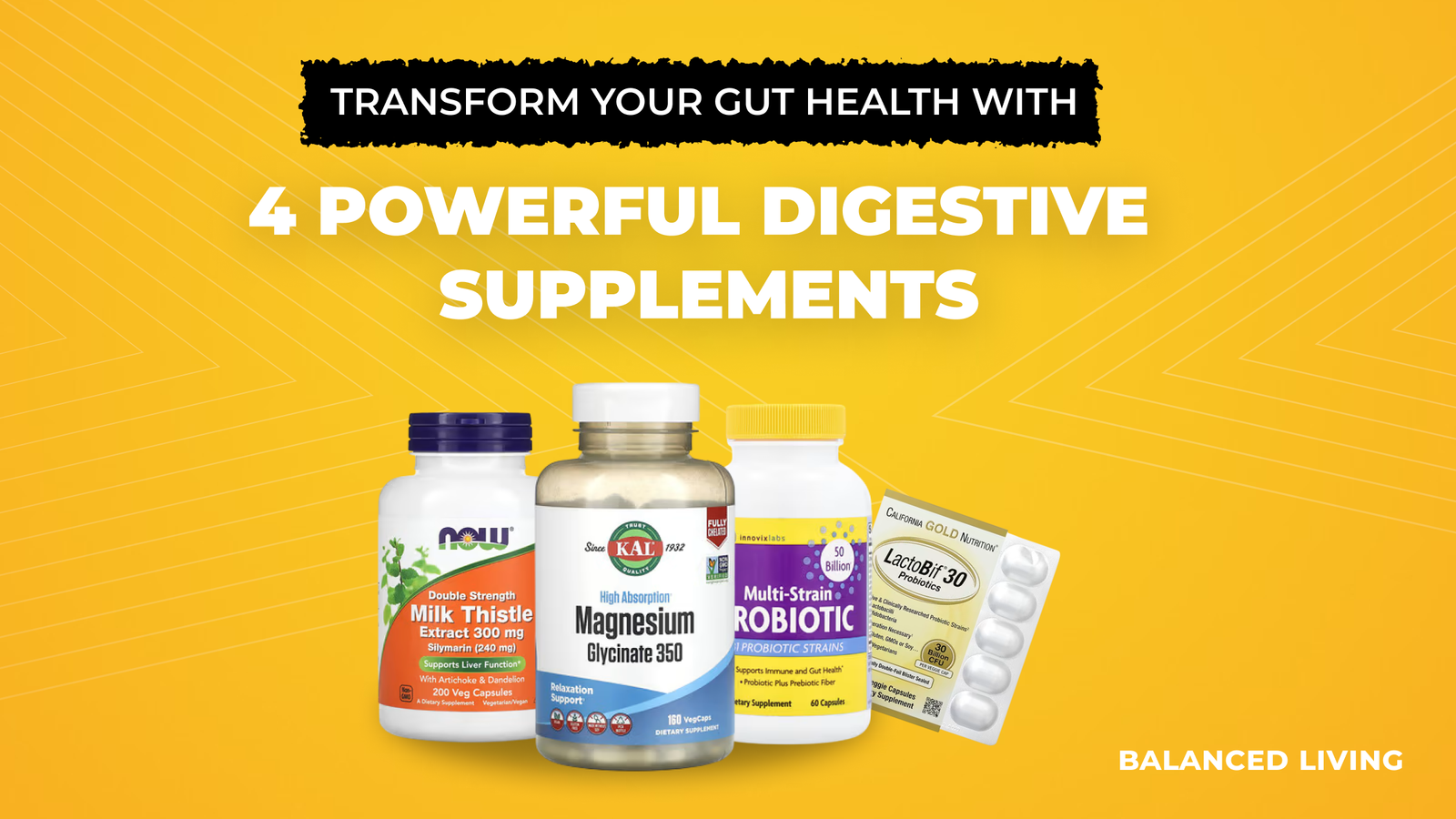
Transform Your Gut Health with 4 Powerful Digestive Supplements
Your gut is more than just where food is digested — it’s the foundation of your well-being. A healthy digestive system supports immunity, energy, skin