If you want a faster way to fat loss, the fastest sustainable route is not a secret food or a miracle pill. It’s a short list of basics done aggressively, but safely: a consistent calorie deficit, enough protein, strength training, daily movement, and sleep that doesn’t sabotage your hunger. People who lose weight at a gradual, steady pace (about 1–2 pounds per week) are more likely to keep it off.
This guide shows the levers that actually move the scale and your waistline, plus how to apply them, whether you eat omnivore or prefer a vegan diet for weight loss.
Why “Faster” Usually Fails (And How To Make It Work)
Most people try to speed things up by doing one of these:
- Cutting calories so hard that they can’t sustain it
- Doing tons of cardio and no strength training
- Relying on diet supplements to do the heavy lifting
It can work for a week. Then hunger spikes, energy drops, and the plan collapses.
A better definition of “fast” is: the quickest pace you can repeat for 8–12 weeks without breaking your life. CDC guidance supports steady loss for better long-term success.
Common mistake: Trying to “win” the first week. Your goal is to win week 6.
What’s The Fastest Lever For Fat Loss?
A calorie deficit still runs the show. No matter which eating pattern you choose, weight loss requires taking in fewer calories than you use over time. NIH/NIDDK’s weight management guidance is direct about building an eating pattern you can maintain and pairing it with activity. But you don’t need obsessive tracking forever. You need structure.
The “3-lane” structure (easy and fast)
Pick one lane and commit for 14 days:
- Lane 1: Plate method (no tracking): half vegetables, palm-sized protein, fist-sized carbs, thumb-sized fats
- Lane 2: Light tracking: track protein + calories for 2 weeks only
- Lane 3: Repetition: repeat 2–3 breakfasts and lunches, rotate dinners
Decision rule: If you’ve failed three diets, choose the simplest lane. Consistency beats complexity.
Belly Fat: What Helps (And What Doesn’t)
If your main focus is the best diet to lose belly fat, here’s the honest part: you can’t spot-reduce fat from one area. Mayo Clinic notes that visceral belly fat responds to the same diet and exercise strategies that reduce overall body fat.
What helps belly fat move sooner:
- A calorie deficit you can keep
- Strength training + aerobic work (both help)
- Less added sugar and alcohol for many people
- Better sleep (because hunger and cravings change)
On exercise specifically, a meta-analysis comparing aerobic vs resistance training shows exercise interventions reduce visceral fat, with both modalities contributing.
Common mistake: Doing only ab workouts. Mayo Clinic is clear: ab exercises strengthen muscles but don’t remove belly fat by themselves.
The Fastest “Stack” For Fat Loss (What To Do First)
If you want a faster way to fat loss, stack these in order:
1) Protein first (it makes everything easier)
Higher-protein diets often improve fullness and help preserve lean mass during weight loss (which matters for appearance and maintenance). NIH/NIDDK emphasizes choosing an eating plan you can stick with; protein helps that by controlling hunger.
Quick rule: Include a protein source at every meal. Vegan? Use tofu, tempeh, edamame, lentils, beans, seitan, soy yogurt, or a protein powder you tolerate.
2) Steps every day (the underrated accelerator)
Daily movement is one of the easiest ways to increase energy expenditure without wrecking recovery. NIH/NIDDK highlights physical activity as part of weight loss and maintenance.
Quick rule: Add 2,000 steps/day this week. Then add 1,000 more next week.
3) Strength training 2–4x/week
It helps preserve muscle while you diet, and it improves body composition. Visceral fat reductions show up with exercise programs, including resistance training.
Beginner plan: Full-body sessions (push, pull, squat/hinge, carry) 2–3 days/week.
4) Sleep like it matters (because it does)
When sleep is short, many people feel hungrier and snackier. CDC lists enough sleep and stress management as part of healthy weight loss habits.
Quick rule: Pick a consistent bedtime for 7 days.
5) Reduce added sugar (easy calorie win)
The American Heart Association recommends limiting added sugars (roughly 25g/day for women, 36g/day for men). This doesn’t mean “never eat sugar.” It means don’t drink most of it.
A Simple Table: What Speeds Fat Loss Vs What Wastes Time
| “Fast” lever | Why it works | The common trap |
| Protein + lower-calorie structure | Controls hunger so the deficit sticks | Cutting too hard, then bingeing |
| Steps + strength training | Boosts burn + protects muscle | Only cardio, no strength |
| Sleep consistency | Reduces cravings and decision fatigue | “I’ll sleep later” spiral |
| Food repetition | Fewer decisions = fewer slipups | Over-complicating meals |
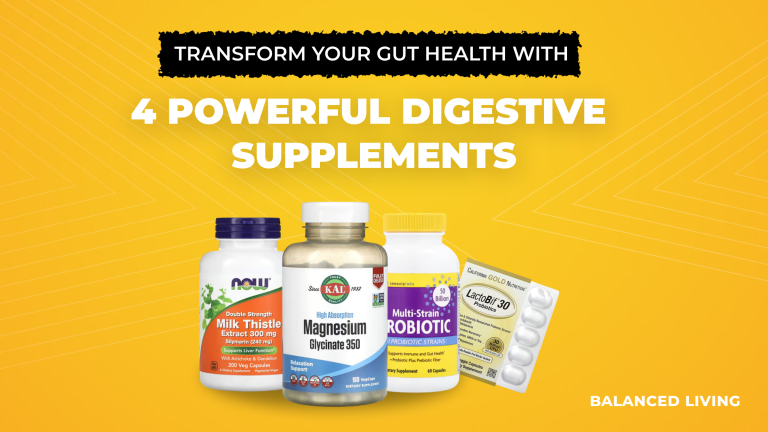
| Diet supplements (sometimes) | Limited, ingredient-specific evidence | Buying blends with risky claims |
Diet Supplements: What The Evidence Actually Says
If you’re researching diet supplements, read this carefully: NIH’s Office of Dietary Supplements says “proven ways” to lose weight are eating fewer calories and being physically active, and it reviews how evidence for many weight-loss supplement ingredients is limited or mixed.
Practical safety filter before you take anything:
- Avoid “proprietary blends” with unclear doses
- Be cautious with products claiming extreme results
- Check interactions with medications (especially blood pressure, heart rhythm, diabetes meds)
- If you’re pregnant, breastfeeding, or have a medical condition, ask a clinician first
If you still want to use weight loss supplements, treat them as optional “small helpers,” not the engine.
Vegan Diet For Weight Loss: How To Do It Without Getting Hungry
Plant-forward patterns can support weight loss, especially when they increase fiber and reduce ultra-processed foods. A meta-analysis of vegetarian diets in randomized trials found weight reduction compared with non-vegetarian diets, with vegan diets often producing larger average losses in those trials. Recent systematic reviews also report improvements in cardiometabolic markers in RCTs, though outcomes vary by adherence and food quality.
Common mistake: Going vegan and living on bread, pasta, and snacks. You can gain weight that way.
Vegan fat-loss plate:
- Protein: tofu/tempeh/edamame/lentils/seitan
- Fiber: big salad or roasted veg
- Carbs: potatoes, rice, oats, fruit (portion-controlled)
- Fats: nuts/olive oil/avocado (measured)
Step-By-Step: The 14-Day “Faster Way To Fat Loss” Plan
If you want a faster way to fat loss, you can actually follow, do this for two weeks.
- Pick your lane (plate/light tracking/repetition): Don’t mix lanes. Stick to one.
- Set a calorie guardrail: Not a starvation plan. A consistent, moderate deficit. CDC supports gradual weight loss for maintainability.
- Eat protein at every meal: Make it automatic.
- Walk daily (baseline + add steps): Start where you are. Add 2,000/day.
- Strength train 3x/week (30–45 minutes): Full body, basic movements, no hero workouts.
- Sleep target: consistent schedule: Same bedtime/wake time most days.
- One “problem” food audit: Pick one: sugary drinks, late-night snacks, or pastries at work. Replace it for 14 days.
- Weigh or measure, choose one: If the scale stresses you out, measure your waist weekly instead. Mayo Clinic notes visceral fat responds to overall weight-loss strategies.
Realistic expectation: Some early loss is water weight. Your job is to keep the routine when that slows.
The Bottom Line
A faster way to fat loss isn’t about doing something extreme; it’s about doing the right things consistently. When you focus on a steady calorie deficit, protein-first meals, daily movement, strength training, and sleep that actually supports your appetite, progress stops feeling like a fight. Some weeks will move faster than others, and that’s normal. What matters is choosing an approach you can repeat without burning out or second-guessing every decision.
If you want practical, evidence-based guidance you can actually use, explore more tools and insights at BalancedLiv.