






We’ll send self-care tips and coping techniques from our experts straight to your inbox.
Your privacy is important to us
Reach health-conscious readers
We’ll send self-care tips and coping techniques from our experts straight to your inbox.
Your privacy is important to us
If you’ve ever wondered why your stomach feels “off” for weeks, why bloating comes and goes, or why stress seems to hit your digestion first, you’re not alone. Many people start searching for “gut health” because they’re dealing with symptoms that don’t fit neatly into one diagnosis.
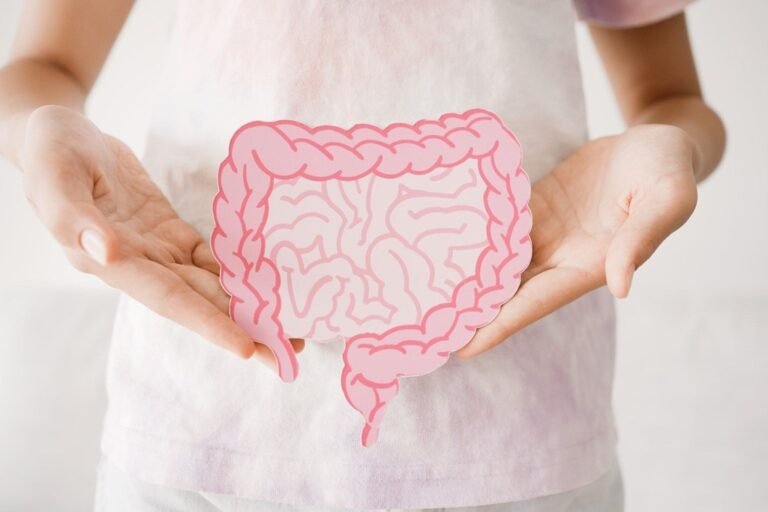
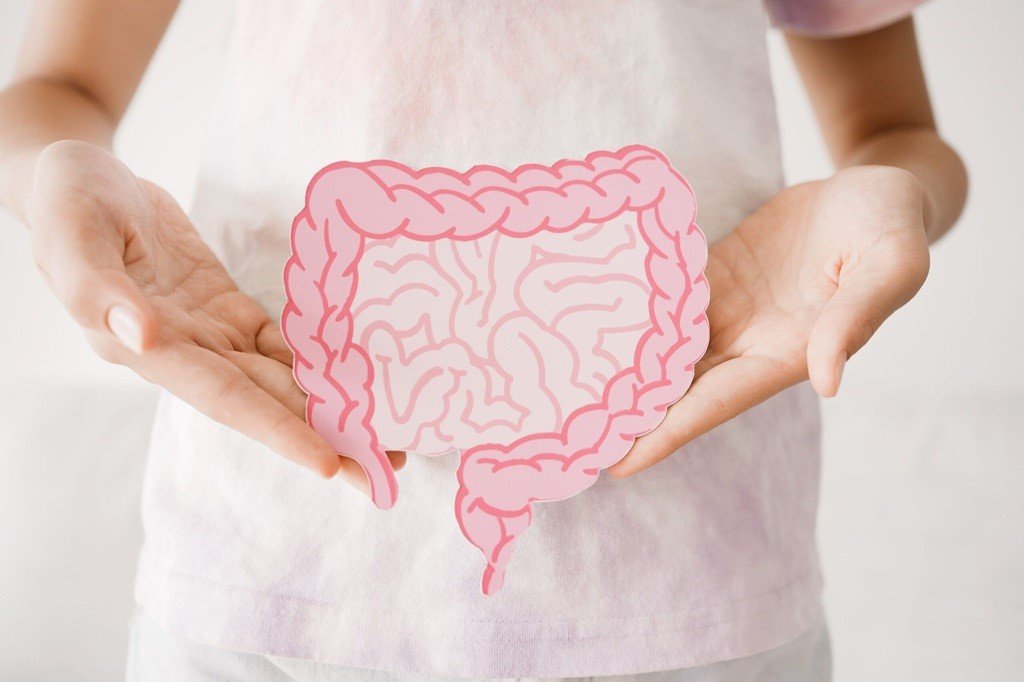
Gut health is more than avoiding gas or constipation. Your digestive tract is an active biological system that includes the intestinal lining, immune cells, the nervous system, and trillions of microorganisms known as the gut microbiome. Together, these parts influence digestion, nutrient absorption, immune balance, inflammation, and the gut-brain axis (the two-way communication between your gut and your brain).
This guide explains what gut health actually means, why it matters, and how to improve gut health using practical, evidence-based steps — without hype, detox claims, or supplement marketing.
Gut health is a broad term that usually refers to three overlapping things:
A “healthy gut” doesn’t mean your digestion is perfect every day. It means your system is resilient — you can tolerate normal dietary variation, your bowel habits are generally regular, and your gut isn’t chronically inflamed or reactive.
Your intestinal lining is only one-cell-layer-thick in many places. That sounds fragile, but it’s designed that way to absorb nutrients efficiently. It’s supported by a mucus layer, immune cells, tight junction proteins (that keep cells sealed together), and the microbiome.
When the barrier is functioning well, it allows:
When barrier function is disrupted (a concept sometimes discussed as increased intestinal permeability), inflammatory signaling can rise and symptoms may worsen in certain conditions. The takeaway: protecting barrier health matters, and diet and lifestyle play a role.
One common misconception is that there’s one “gut health score.” In clinical medicine, we evaluate gut-related issues based on:
Your gut microbiome is a community of bacteria (plus viruses, fungi, and other microbes) living mostly in your large intestine. These microbes are not just passengers. They help your body do important jobs you cannot do alone.
| Function | What It Means |
|---|---|
| Fiber Fermentation | Gut bacteria ferment fibers humans can’t digest into short-chain fatty acids (SCFAs) like butyrate, which support colon cell health, barrier integrity, and immune regulation. |
| Immune Training | The microbiome interacts with immune cells in the gut, helping distinguish between harmless and harmful signals. |
| Pathogen Protection | A balanced microbiome reduces the ability of harmful organisms to overgrow (“colonization resistance”). |
| Metabolic Signaling | Microbes influence energy harvest from food and metabolic pathways linked to insulin sensitivity and inflammation. |
In general, greater microbial diversity is associated with health and resilience in population studies, but clinical interpretation is nuanced. A person with IBS symptoms may have altered microbiome patterns, yet “fixing diversity” alone is not a direct treatment. In other words, gut health is not only about diversity — it’s about function, balance, and host response.
Your microbiome is highly individualized. No two people have the exact same microbial composition. Genetics, birth method, early feeding, antibiotic exposure, geography, diet, and environment all shape your microbial profile.
This is one reason why identical diets can produce different digestive responses in different people. One person may tolerate legumes easily, while another experiences significant bloating.
Gut health is linked to multiple systems. Some relationships are strongly established (like digestion and immune signaling), while others are active research areas (like specific microbiome patterns and mood disorders). Here’s what we can say with confidence.
A significant portion of your immune system is located in and around the gut. The gut has to tolerate food proteins and beneficial microbes while still defending against pathogens. The microbiome influences immune signaling, and disruptions can contribute to inflammatory conditions in susceptible individuals.
Chronic low-grade inflammation is also linked to metabolic disease risk. SCFAs produced by fiber-fermenting microbes tend to support anti-inflammatory pathways and healthy barrier function.
Your gut influences:
Classic studies showed that microbiome composition differs between lean and obese phenotypes, and transferring microbiota in animal models can influence fat gain. Human metabolism is more complex than animal models, but the gut’s role in metabolism is real and clinically relevant.
The gut and brain communicate through:
The gut also plays a role in neurotransmitter-related pathways. For example, serotonin biology is tightly linked to the gut, and microbial signals can influence serotonin production in the GI tract. This does not mean “fix your gut to cure depression,” but it does help explain why stress can cause GI symptoms and why gut disorders can affect quality of life.
Some people notice that flares of eczema-like symptoms, acne, or other inflammatory skin conditions occur alongside digestive flares. Research is ongoing; the “gut-skin axis” is plausible through immune and inflammatory signaling. Still, skin symptoms have many causes, so it’s important not to assume the gut is always the root.
Symptoms can be clues, but they are not diagnoses. Many gut symptoms overlap across IBS, food intolerances, medication effects, stress-related changes, infections, and inflammatory diseases.
| Signs of Poor Gut Health | Signs of a Healthy Gut |
|---|---|
| Bloating and excess gas, especially after meals | Bowel movements generally regular and comfortable |
| Constipation, diarrhea, or alternating patterns | Minimal bloating most days |
| Abdominal discomfort relieved by bowel movements | Stable energy and appetite |
| Reflux-like symptoms or nausea | Ability to tolerate a variety of whole foods |
| Food sensitivity-type symptoms | Fewer stress-triggered GI flares over time |
| Fatigue and low energy (multifactorial) | |
| Frequent infections or slow recovery |
Gut health is shaped by long-term inputs. Here are the most common disruptors clinicians see.
| Disruptor | How It Affects the Gut |
|---|---|
| Low Fiber / Low Plant Diversity | Reduces SCFA production, worsens constipation, and limits beneficial microbe food sources. |
| Ultra-Processed Foods | Low in fiber, high in additives and refined carbs. May promote dysbiosis and inflammation in susceptible individuals. |
| Antibiotics | Can disrupt the microbiome, sometimes causing antibiotic-associated diarrhea. Recovery varies from weeks to months. |
| Chronic Stress & Anxiety | Changes gut motility, increases visceral sensitivity, alters secretion and permeability, and contributes to dysbiosis. |
| Poor Sleep | Affects appetite hormones, glucose control, and may alter microbiome patterns and barrier function. |
| Alcohol Excess & Smoking | Irritates the GI tract, disrupts microbial balance, worsens reflux and inflammation. |
| Sedentary Behavior | Reduces gut motility. Even consistent walking is associated with healthier microbiome profiles. |
| Irregular Eating / Late-Night Eating | Disrupts gut motility, circadian rhythms, and the migrating motor complex that clears bacteria between meals. |
If you want to know how to improve gut health, the most effective approach is not one supplement. It’s a set of simple, repeatable habits that support microbiome function, motility, and barrier health.
1) Eat More Fiber
Fiber is one of the strongest diet levers for gut health.
| Group | Daily Fiber Target |
|---|---|
| Women | ~25 g/day |
| Men | ~38 g/day |
High-fiber foods include:
2) Aim for Plant Variety
Instead of obsessing over a single “superfood,” focus on variety. A helpful weekly target used in some nutrition research discussions is ~20–30 different plant foods per week (vegetables, fruits, legumes, whole grains, nuts, seeds, herbs, spices). This naturally increases different fibers and polyphenols that feed different microbes.
3) Add Fermented Foods When Tolerated
Fermented foods can introduce beneficial microbes and support microbial diversity. Examples include:
A notable randomized trial found a fermented-food diet increased microbiome diversity and decreased inflammatory markers in adults.
If you have histamine intolerance or very reactive IBS, fermented foods can worsen symptoms in some cases. Start small.
4) Use Probiotics Strategically (Not Automatically)
Probiotics are not “one thing.” Benefits are strain-specific and condition-specific. Evidence is strongest for:
If you want to include them: choose a product that lists strain names (not just “Lactobacillus blend”), trial it for 4–8 weeks, and stop if symptoms clearly worsen.
5) Don’t Ignore Basics: Hydration, Regular Meals, and Chewing
6) Support Gut Motility With Movement
You don’t need perfect workouts. You need consistency.
7) Prioritize Sleep for Gut Stability
8) Manage Stress in a Gut-Directed Way
9) Consider Targeted Elimination Only When Appropriate
Many people rush into restrictive diets. Over-restriction can harm gut health by reducing fiber and variety.
If you suspect food triggers:
Lifestyle changes can help many gut symptoms, but medical evaluation matters when symptoms are severe, persistent, or include red flags.
⚠️ Seek Medical Care Promptly If You Have:
Also seek evaluation if symptoms significantly affect daily functioning, sleep, or nutrition.
Some changes (like stool frequency and bloating) can improve within 1–2 weeks after increasing fiber and improving meal timing. Microbiome-related shifts can occur quickly, but sustained improvement usually takes weeks to months of consistent habits.
There isn’t one “fast” fix. The most reliable high-impact steps are more fiber (gradually), more plant variety, fermented foods if tolerated, better sleep, and stress reduction. These create measurable symptom improvement for many people over time.
No. Probiotics can help in certain situations, but responses vary by person, strain, dose, and condition. If you try one, pick a strain-identified product and re-evaluate after 4–8 weeks.
Most commercial microbiome tests are not standardized enough to guide treatment in a clinical way for the general public. They may be interesting, but they should not replace medical assessment, especially if you have red-flag symptoms.
Lorem Ipsum is simply dummy text of the printing and typesetting industry. Lorem Ipsum has been the industry's.

Looking for the perfect hyaluronic acid product to boost your skin’s hydration? Whether you’re targeting fine lines, dryness, or simply want to achieve a healthy

Many people struggle to find the proper skincare routine. A good routine can help prevent aging and keep skin healthy. Clear skin can feel hard,

Trying to build muscle while balancing cardio and strength training? Your training program is just one part of the equation—what you put into your body

Many people struggle to mix cardio and strength training for muscle gain. Doing both is crucial to achieving greater strength and fitness. At Balanced Living,

Finding the proper skincare routine can be hard. Everyone’s skin is different. This post will tell you how to care for each skin type. Balanced

When it comes to achieving clear, radiant skin, choosing the right face cleanser is essential. A good cleanser not only removes dirt, oil, and makeup

Losing weight can feel hard in the mornings. A good start can help a lot. This post talks about 5 morning habits that boost weight
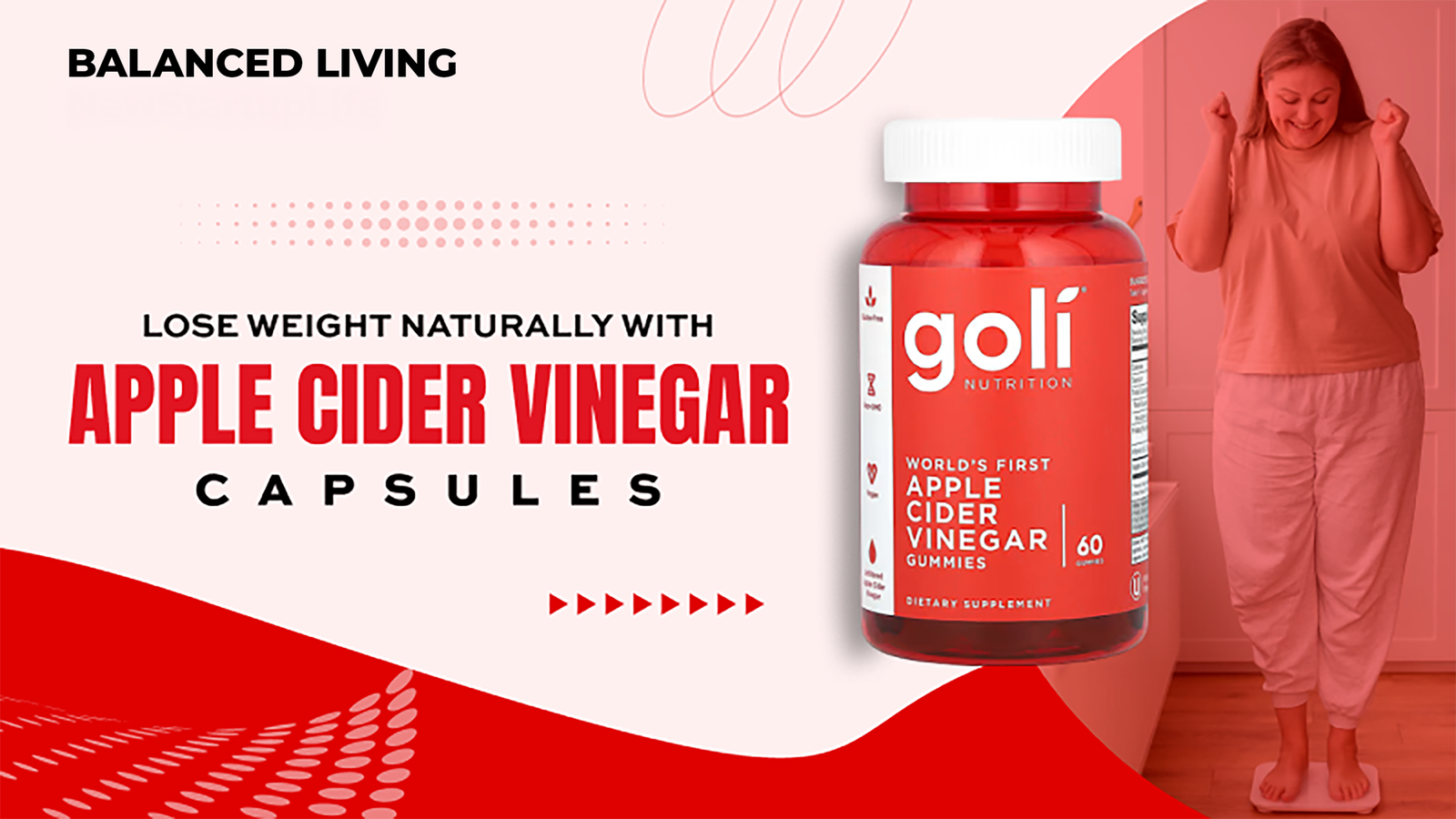
Apple cider vinegar (ACV) has earned its place as a go-to natural remedy for those looking to lose weight, improve digestion, and feel lighter overall.

Many people want to grow their muscles but don’t see results. Why? They make small but essential mistakes that hold them back. These mistakes can

Your gut is more than just where food is digested — it’s the foundation of your well-being. A healthy digestive system supports immunity, energy, skin

Your privacy is important to us
Discover helpful insights and expert tips to manage stress and improve your daily mental health. Stay informed with practical advice and uplifting stories.
We do the research so you don’t have to. Stay in the know with the latest in health and wellness.
Your privacy is important to us
These cookies are essential for Balanced Living’s website to work properly. They can’t be turned off in our system. They are usually set in response to actions you take, like adjusting your privacy settings, logging in, or filling out forms. Without them, our site can’t function as it should.
These cookies help us understand how our website is being used. They let us track visits and traffic sources so we can see which pages are most popular and where we can improve. The information collected is always aggregated and anonymous. If you choose not to allow these cookies, we won’t know when you’ve visited and won’t be able to monitor the site’s performance.
These cookies may be placed by our advertising partners through the Balanced Living site. They help build a profile of your interests to show you more relevant content and ads on other websites. While they don’t store personal information directly, they identify your browser and device. If you don’t allow these cookies, you’ll still see ads, but they may be less tailored to your interests.