







We’ll send self-care tips and coping techniques from our experts straight to your inbox.
Your privacy is important to us
Reach health-conscious readers
We’ll send self-care tips and coping techniques from our experts straight to your inbox.
Your privacy is important to us
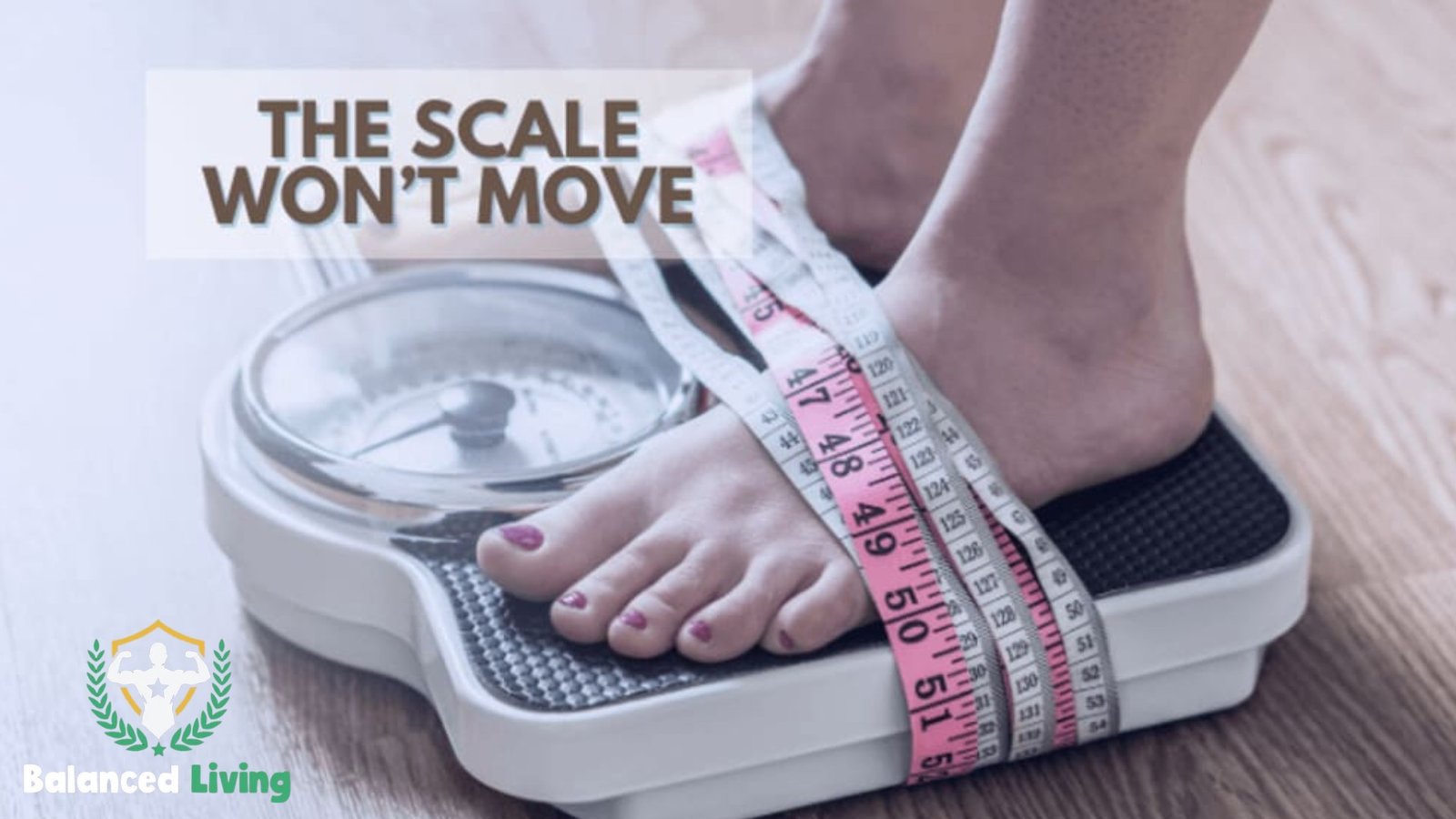
You’ve been eating better, exercising more, and watching your portions. At first, the scale dropped. Then it stopped. Days turn into weeks, and nothing seems to change anymore.
A weight loss plateau is one of the most common and frustrating parts of fat loss. Many people assume they are doing something wrong, but in reality, plateaus are a normal biological response. Your body is designed to protect its energy stores, not to help you lose weight quickly.
Understanding why the scale stops moving is the first step to getting progress back on track.
A weight loss plateau happens when your body adjusts to your new eating and activity habits. Early in a diet, weight drops faster because of water loss and reduced glycogen stores. After that phase, weight loss becomes slower and more gradual.
Several factors can contribute to a weight loss plateau, including metabolic adaptation, hidden calories, poor sleep, and stress. Most of the time, the issue is not a broken metabolism, but small habits that add up over time.
As you lose weight, your body requires fewer calories. A lighter body burns less energy during everyday activities like walking, climbing stairs, or even sitting. At the same time, your metabolism may slow slightly. This is known as metabolic adaptation. The body becomes more efficient, using fewer calories to perform the same tasks.
Hormones involved in hunger and fullness change as well. Leptin, a hormone that signals fullness, often decreases as body fat drops. Hunger hormones such as ghrelin may increase. This combination can make you feel hungrier than before, even if you are eating the same meals. These changes are normal and part of the body’s survival system.
The scale does not always reflect fat loss accurately. Your body weight can fluctuate for many reasons, including water retention, muscle gain, and digestion.
Starting a new workout program, especially strength training, can lead to temporary water retention as muscles repair and adapt. High sodium meals, stress, and hormonal changes can also increase water weight.
Instead of focusing only on the scale, look at other progress markers:
One of the most common reasons for a weight loss plateau is small, unnoticed calories. These can come from:
Even an extra 150 to 200 calories per day can eliminate your calorie deficit. Over time, these small additions can completely stop weight loss. Careful tracking for a few days can often reveal where these extra calories are coming from.
Sleep and stress have a powerful effect on weight loss. When you consistently sleep less than six hours per night, your body produces more ghrelin, the hormone that increases hunger, and less leptin, the hormone that signals fullness. This can lead to stronger cravings and larger portion sizes.
Chronic stress raises cortisol levels. Elevated cortisol may increase appetite and promote fat storage, especially around the abdominal area. Stress can also reduce motivation to exercise and make emotional eating more likely. For many people, improving sleep and stress management helps restart weight loss.
Some habits appear healthy but can quietly slow progress when it comes to your weight loss journey.
Severely restricting calories may seem like the fastest solution, but it often backfires. Very low-calorie diets can reduce energy levels, slow metabolism, and increase cravings.
Most adults should not drop below:
Unless a healthcare professional supervises the plan, going lower is rarely sustainable.
Research shows that people often underestimate their calorie intake. Common tracking mistakes include:
Accurate and consistent tracking, even for a short period, can reveal where adjustments are needed.
Many fitness trackers and gym machines overestimate calorie burn. If you eat back all the calories your device says you burned, you may erase your deficit without realizing it. Exercise is important for health, strength, and long-term weight maintenance, but diet usually plays a more important role in weight loss.
Breaking a plateau does not require extreme diets or punishing workouts. Small, strategic adjustments usually work better.
As body weight decreases, calorie needs also drop. A plan that worked at the start may no longer create a deficit.
Recalculate your maintenance calories using your current weight, then reduce intake by about 300 to 500 calories per day. This approach supports steady and sustainable fat loss.
Daily movement outside of structured workouts plays a major role in total calorie burn. You can increase your activity by:
This type of movement, called non-exercise activity thermogenesis (NEAT), can significantly boost energy expenditure.
Protein helps preserve muscle and improves satiety. Fiber slows digestion and stabilizes blood sugar, which helps control hunger.
| Nutrient | Daily Target |
|---|---|
| Protein | 1.2 – 1.6 g per kg of body weight |
| Fiber | 25 – 30 g per day |
Helpful foods include:
Meals built around protein and fiber are easier to maintain over time.
Lifestyle factors often determine whether a plateau continues or breaks. Aim for:
Better sleep improves appetite regulation, mood, and energy — all of which support weight loss.
Weight loss plateaus are normal. As you lose weight, your body adapts. Calorie needs change, hormones shift, and progress slows. Hidden calories, poor sleep, or inconsistent habits can quietly cancel out your deficit.
Instead of drastic changes, focus on small, steady adjustments. Recalculate your calorie intake, increase daily movement, eat enough protein and fiber, and protect your sleep. These simple steps often restart progress.
A plateau can last from a few days to several weeks. Water retention, stress, or small changes in calorie intake can all contribute.
Not always. Cutting calories too aggressively can slow metabolism and increase hunger. A small reduction of 300–500 calories is usually more effective.
Yes. Chronic stress can increase cortisol levels, which may promote fat storage and increase cravings.
Yes. Body weight changes due to water balance, digestion, sodium intake, hormones, and workouts.
Both are important, but diet usually has a larger impact on creating a calorie deficit, while exercise supports muscle retention and overall health.
Lorem Ipsum is simply dummy text of the printing and typesetting industry. Lorem Ipsum has been the industry's.

Looking for the perfect hyaluronic acid product to boost your skin’s hydration? Whether you’re targeting fine lines, dryness, or simply want to achieve a healthy

Many people struggle to find the proper skincare routine. A good routine can help prevent aging and keep skin healthy. Clear skin can feel hard,

Trying to build muscle while balancing cardio and strength training? Your training program is just one part of the equation—what you put into your body
Many people struggle to mix cardio and strength training for muscle gain. Doing both is crucial to achieving greater strength and fitness. At Balanced Living,

Finding the proper skincare routine can be hard. Everyone’s skin is different. This post will tell you how to care for each skin type. Balanced

When it comes to achieving clear, radiant skin, choosing the right face cleanser is essential. A good cleanser not only removes dirt, oil, and makeup

Losing weight can feel hard in the mornings. A good start can help a lot. This post talks about 5 morning habits that boost weight

Apple cider vinegar (ACV) has earned its place as a go-to natural remedy for those looking to lose weight, improve digestion, and feel lighter overall.
Many people want to grow their muscles but don’t see results. Why? They make small but essential mistakes that hold them back. These mistakes can

Your gut is more than just where food is digested — it’s the foundation of your well-being. A healthy digestive system supports immunity, energy, skin

Your privacy is important to us
Discover helpful insights and expert tips to manage stress and improve your daily mental health. Stay informed with practical advice and uplifting stories.
We do the research so you don’t have to. Stay in the know with the latest in health and wellness.
Your privacy is important to us
These cookies are essential for Balanced Living’s website to work properly. They can’t be turned off in our system. They are usually set in response to actions you take, like adjusting your privacy settings, logging in, or filling out forms. Without them, our site can’t function as it should.
These cookies help us understand how our website is being used. They let us track visits and traffic sources so we can see which pages are most popular and where we can improve. The information collected is always aggregated and anonymous. If you choose not to allow these cookies, we won’t know when you’ve visited and won’t be able to monitor the site’s performance.
These cookies may be placed by our advertising partners through the Balanced Living site. They help build a profile of your interests to show you more relevant content and ads on other websites. While they don’t store personal information directly, they identify your browser and device. If you don’t allow these cookies, you’ll still see ads, but they may be less tailored to your interests.