


Related Stories
Balanced Living NEWSLETTER
Get our Anxiety & Depression newsletter
We’ll send self-care tips and coping techniques from our experts straight to your inbox.
Your privacy is important to us
Most Read
-
 Muscle GainTransform Your Gut Health with 4 Powerful Digestive Supplements
 -
 Muscle GainAvoid These 5 Mistakes That Kill Muscle Growth
 -
 Skin CareBest Face Cleansers for Clear, Healthy Skin
 -
 Muscle Gain5 Best Supplements to Build Muscle Mass
 -
 Skin CareTop 8 Hyaluronic Acid Skincare Products for Plump, Hydrated Skin
Explore Topics
Categories
Advertise with BalancedLiv
Reach health-conscious readers
Written by Balanced Living
Balanced Living NEWSLETTER
Get our Anxiety & Depression newsletter
We’ll send self-care tips and coping techniques from our experts straight to your inbox.
Your privacy is important to us

4-Week Starter Program To Build Lean Muscle (Even If You’ve Never Lifted)
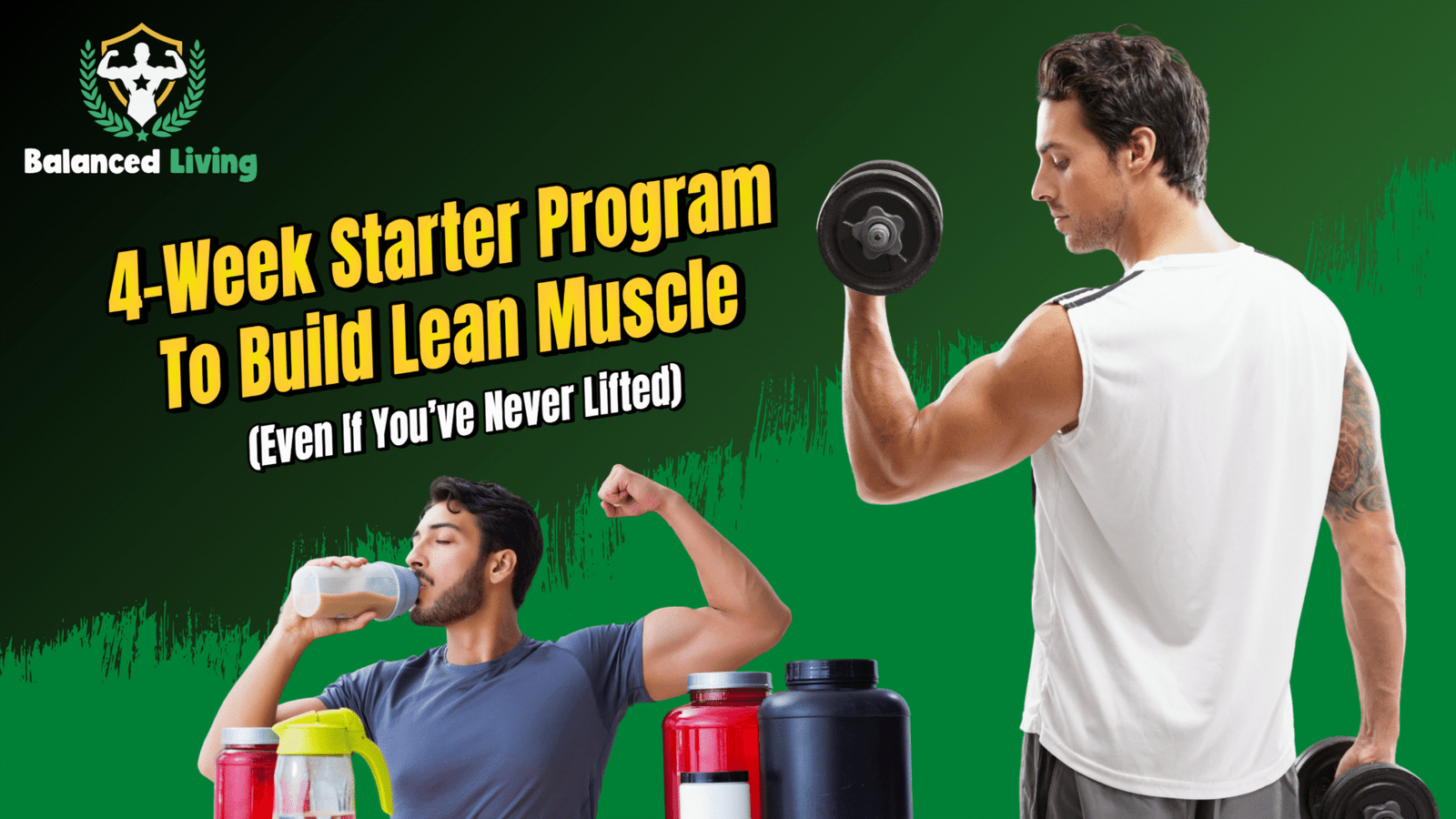
Table of Contents
Struggling to build muscle and don’t know where to start? You’re not alone, many beginners feel lost without a clear plan. This 4-week Muscle Gain Program breaks down simple workouts and steps to help you gain lean muscle fast—even if you’ve never lifted before.
Stick around, your stronger self is waiting.
Program Overview and Key Concepts
A good plan builds strong habits from day one. You’ll learn the basics of strength training and how to challenge your body over time.
Why is structured training important for beginners?
Structured training gives you a clear plan. It helps you stick to routines and target all major muscle groups evenly. This keeps your workouts balanced and avoids overworking certain areas while ignoring others.
Designated rest days are built in, so your muscles recover properly, making room for growth.
You also learn safe exercise form right from the start. This lowers the chances of injury when lifting weights or doing compound movements like squats or pull-ups. Gradual increases in intensity (like adding dumbbell bench press reps) make progress steady without overwhelming you.
Tracking each workout lets you see improvements, keeping motivation high.
Consistency beats perfection every time; structured training keeps things consistent.
What is progressive overload and how does it help build muscle?
Structured training builds a foundation, but muscle growth depends on progressive overload. This means gradually challenging your muscles by increasing the weight, reps, or sets you do over time.
For example, if you squat with 50 pounds in Week 1 for 12 reps, aim for either more reps or heavier weight in Week 2. Your body adapts to stress like this by growing stronger and building lean muscle.
Compound exercises like deadlifts and bench presses are perfect for progressive overload. These moves work multiple muscles at once, helping you lift heavier weights faster. Adjusting rest periods between sets (around 60–90 seconds) also supports better fatigue management as intensity increases weekly.
The method isn’t about breaking records right away; it’s steady progress that ensures safe strength gains without injuries.
Week 1: Full-Body Workouts
In Week 1, you’ll train your entire body in one session to build a strong base. Focus on learning simple moves with good form for steady progress.
Which foundational movements should beginners focus on?
Building lean muscle starts with key movements. These exercises are simple, yet very effective for beginners.
- Bodyweight Squats
This movement works your legs, glutes, and core. Stand tall with feet shoulder-width apart. Lower yourself like sitting in a chair, then stand up. Keep your chest lifted and knees aligned with toes. - Push-Ups
Push-ups strengthen your chest, shoulders, triceps, and core. Start on the floor with hands under your shoulders. Lower your body until elbows hit a 90-degree angle, then push back up. - Bent-Over Rows
This targets your back and biceps while teaching better posture. Use dumbbells or any household item as weights if needed. Hinge forward while keeping your back straight and pull the weights toward you. - Planks
Planks build core strength while improving stability for other movements. Rest on forearms and toes with a straight body line from head to heels. Hold for as long as you can maintain good form. - Glute Bridges
Glute bridges activate lower-body muscles like hamstrings and glutes. Lie on your back, bend knees, keep feet flat on the ground, and lift hips to form a straight line from shoulders to knees. - Modified Pull-Ups (If Available)
Use a sturdy bar or resistance bands to practice beginner pull-ups for upper back strength. Focus on controlled movements to improve over time. - Dead Bug Exercise
This helps beginners engage their abs in a safe way without strain on the neck or spine. Lie on your back with arms up; lower opposite arm and leg slowly while keeping your core tight.
Each of these builds strength in different areas of the body safely!
What are the best beginner exercises like squats, push-ups, and bent-over rows?
Starting your muscle-building journey? Focus on simple, effective moves that train multiple muscles at once. These exercises will help you build strength and lean muscle.
- Bodyweight Squats
This move is key for building strong legs and glutes. Stand with feet shoulder-width apart, lower yourself as if sitting in a chair, and keep your chest up. Go slow and controlled to perfect your form. Start with 12-15 reps per set. - Push-Ups
Push-ups train your chest, shoulders, triceps, and core all at once. Drop to your knees if a full push-up feels too hard at first. Keep your back straight and lower yourself until your elbows reach 90 degrees. - Bent-Over Rows
Strengthen your upper back with this exercise using light weights or resistance bands. Hinge forward from the hips, keep a flat back, and pull the weights or band toward your stomach slowly. - Plank Holds
Planks are excellent for core stability while also engaging shoulders and arms. Hold for 20–30 seconds, then work up to longer times as you improve. - Step-Ups
Use a sturdy surface like stairs or a low box to target quads, hamstrings, and glutes. Step up with one leg while keeping balance; alternate legs for each rep. - Deadbugs
This move strengthens your core without straining the back. Lie on your back with arms and legs bent at 90 degrees, then lower opposite arm and leg without arching the spine. - Glute Bridges
Build powerful glutes by lying on your back with knees bent; lift hips toward the ceiling while squeezing those muscles tight at the top.
Keep movements slow to avoid injury; focus on proper technique over speed or weightlifting right away!
Week 2: Upper and Lower Body Split
In Week 2, you’ll start separating upper and lower body workouts to hit muscles more effectively. This split helps you focus on key areas while giving each muscle group the rest it needs.
What exercises target the upper body (chest, back, arms) on Day 1?
Day 1 targets your chest, back, and arms. Start with simple moves to build strength and improve form.
- Push-Ups: A classic exercise that works your chest, shoulders, and triceps. Keep your body straight, lower yourself slowly, and push back up.
- Incline Bench Press: Use free weights or a barbell to target your upper chest. Adjust the bench to a slight incline for best results.
- Bent-Over Rows: Grab dumbbells or a barbell to work your back and biceps. Bend slightly at the waist while keeping a straight back during the movement.
- Dumbbell Flyes: Lie on a flat bench holding two dumbbells above you with arms extended. Lower them outward slowly until you feel a stretch in your chest.
- Pull-Ups (or Lat Pulldowns): Pull-ups are great for lats and biceps if you can do them unassisted. If not, go for lat pulldowns using a cable machine or resistance bands.
- Hammer Curls: This focuses on biceps and forearms while using dumbbells. Keep elbows close to your sides as you lift.
- Overhead Dumbbell Press: Targets shoulders and triceps by pressing the weights overhead from shoulder height in one smooth motion.
- Tricep Dips (on Bench): Place hands on the edge of the bench and lower yourself until arms form 90-degree angles, then push up again.
Take it slow with each move so you don’t rush through sets or strain muscles too early in training!
How to train the lower body (legs, glutes, core) effectively on Day 2?
Building strong legs, glutes, and core is key for muscle growth. Focus on proper form and controlled movement to avoid injuries.
- Start with squats. Perform 3 sets of 11–9 reps using a barbell or just body weight if you’re new. Keep your chest up and knees in line with your toes.
- Add lunges to target glutes and quads. Step forward one leg at a time for 3 sets of 11–9 reps per side. Hold dumbbells for extra resistance.
- Do glute bridges to strengthen your hips and core. Lie on your back, bend your knees, and lift your hips for 3 sets of 12 reps.
- Include planks for core stability. Hold the position on forearms or hands for 30–60 seconds across 2 rounds.
- Warm up using dynamic stretches like high knees or leg swings. This preps muscles and reduces the risk of strain during workouts.
Next, step into Week 3 with a structured push/pull/legs split!
Week 3: Push/Pull/Legs Split
Split training gets serious this week. You’ll hit muscles with focused, power-packed sessions to spark real growth.
What exercises are included on Push Day for chest, shoulders, and triceps?
Push Day works your chest, shoulders, and triceps. Focus on compound movements to build strength and muscle.
- Bench Press: This targets your chest, shoulders, and triceps. Use free weights like a barbell or dumbbells for more control.
- Overhead Press: This builds shoulder muscles while engaging your triceps too. Grab a barbell or dumbbells and press overhead with good form.
- Push-Ups: A classic bodyweight move to target chest, shoulders, and arms. Keep your core tight during every rep.
- Incline Dumbbell Press: Hit the upper chest and shoulders with this variation of the bench press.
- Tricep Dips: These directly work the back of your arms (triceps) while also hitting your shoulders slightly.
- Dumbbell Lateral Raises: Improve shoulder definition by focusing on side deltoids with controlled movements.
- Close-Grip Bench Press: This narrow grip variation puts extra focus on building stronger triceps.
- Arnold Press: Rotate dumbbells as you lift for full shoulder activation while also engaging the triceps.
Stick to 8–12 reps per exercise in Week 3 for effective hypertrophy training!
How to structure Pull Day workouts for back and biceps?
After working on push muscles, it’s time to focus on pulling movements. Pull Day targets your back and biceps with powerful, efficient exercises.
- Warm up first with light cardio or dynamic stretches. Loosen your shoulders, arms, and upper back to prevent injuries.
- Start with bent-over rows using a barbell or dumbbells. Keep your back straight and pull the weight toward your waist. Aim for 8–12 reps per set.
- Perform pull-downs if you have access to a machine or bands. Focus on squeezing your shoulder blades as you bring the bar or band down to chest level for 8–12 reps.
- Do seated cable rows next, keeping tension in your lats throughout the move. Pull toward your belly button in a controlled motion for another 8–12 reps per set.
- Include bicep curls using free weights like dumbbells or resistance bands. Alternate arms and use slow movements to target each muscle fully for 8–10 reps per arm.
- Finish with face pulls using a rope attachment if available. Adjust the height of the cable to shoulder level and pull toward your face, focusing on posture for 10–12 reps each time.
- Rest for 60–90 seconds between sets to recover strength while maintaining energy levels during all exercises.
Focus on proper form over heavy weights at this stage. Safety comes first as progressing too quickly can lead to mistakes!
Which leg exercises target quads, hamstrings, and calves?
Building strong legs is key for muscle growth. Focus on exercises that hit your quads, hamstrings, and calves.
- Squats: Work your quads, hamstrings, and glutes. Use a barbell, kettlebell, or your body weight. Lower until your thighs are parallel to the ground. Keep your chest up and back straight.
- Lunges: Strengthen your quads and glutes. Step forward with one leg while keeping the other in place. Lower your back knee toward the floor but don’t let it touch.
- Deadlifts: Target your hamstrings and glutes while building stability in your core. Use a barbell or dumbbells. Keep the weights close to your legs as you lift from the floor.
- Step-Ups: Build quad strength using a sturdy bench or box. Step one foot up onto the surface, push through your heel to raise yourself fully, then step back down.
- Romanian Deadlifts: Focus on hamstrings with this variation of deadlifts. Start with lighter weights to protect your form by maintaining a slight bend in the knees and hinging from the hips.
- Calf Raises: Build thicker calves by standing on a flat surface or step-up platform. Push through the balls of your feet to lift yourself upward, then lower slowly for control.
- Glute Bridges: Work hamstrings and glutes together by lying on the floor with knees bent and feet flat; push through heels as you raise hips toward the ceiling.
- Leg Press: Train all major leg muscles like quads, hamstrings, and calves using this machine at most gyms for controlled movement under load.
Use proper form to avoid injury during movements like squats or deadlifts; focus on control over heavyweights too early! Rest 60-90 seconds between sets while keeping intensity steady for great results!
Week 4: Full-Body Workouts with Increased Intensity
This week pushes your limits with heavier lifts and fewer reps. Focus on perfect form to boost strength and build lean muscle faster!
How to safely increase weights and lower reps for better gains?
Start by slightly increasing the weight you lift each week. Add 5-10% more to your current load, depending on the exercise and muscle group. For big lifts like barbell squats or deadlifts, stick with smaller increases for safety.
Drop your reps to a range of 5–3 per set in Week 4. This low-rep method lets you focus on heavier weights without overworking.
Always prioritize proper form before adding weight. Poor technique can lead to injuries that stall progress. Rest for about 60–90 seconds between sets to maintain strength while keeping fatigue manageable.
Compound lifts like bench presses and rows are ideal when going heavier because they work multiple muscles at once, maximizing growth potential efficiently. Track every session to avoid lifting too much too soon!
Why focus on compound lifts like deadlifts and bench press?
Compound lifts like deadlifts and bench presses hit multiple muscles at once. This makes your workouts more efficient. You work your chest, shoulders, and triceps during the bench press in just one move.
Deadlifts strengthen your back, legs, glutes, and core all together.
These exercises allow you to lift heavier weights for greater muscle growth. Lifting heavy improves strength faster than smaller isolation exercises. Studies back this up as a proven way to build lean muscle over time.
Plus, proper form with these lifts lowers injury risk while helping you train smarter.
Nutrition for Muscle Growth
Eating the right foods fuels muscle growth and helps you recover faster. Focus on meals that give your body energy, strength, and the nutrients it needs to grow stronger.
How much protein do you need to build muscle?
You need at least 1.4 grams of protein per kilogram of body weight each day to build muscle. For example, if you weigh 70 kilos (about 154 pounds), aim for around 98 grams daily. Spread this amount across your meals to help with muscle recovery throughout the day.
Get protein from lean meats like chicken or turkey, dairy products like yogurt, and plant-based foods such as beans or lentils. If it feels hard to hit your target, consider adding whey or plant-based options into shakes or snacks.
Tracking your intake helps keep you on point while training harder each week.
Next up: What does eating in a slight calorie surplus mean?
What does eating in a slight calorie surplus mean?
Eating in a slight calorie surplus means consuming more calories than your body burns daily. This extra energy fuels muscle growth while keeping fat gain minimal. For example, if you need 2,000 calories to maintain weight, aim for about 200-300 extra calories each day.
It’s not about stuffing yourself with junk food but focusing on clean, nutrient-dense meals like lean meats, whole grains, fruits, and vegetables.
Tracking your intake helps you stay consistent without going overboard. Stick to whole foods to get essential vitamins and nutrients along with those extra calories. The goal is steady progress; too many excess calories can lead to unwanted fat instead of lean muscle gain.
Keep an eye on how your body responds after a few weeks and adjust as needed for optimal results in building strength and improving physique!
Tips for Recovery
Rest days matter more than you think. Sleep, stretch, and let your muscles rebuild stronger every time.
How do rest days and sleep improve muscle growth?
Muscles grow when they recover, not just during workouts. Rest days give your body time to repair torn muscle fibers after weightlifting. This process strengthens and builds lean muscle over time.
Skipping rest can lead to overtraining, which slows progress and increases injury risk.
Sleep is your secret weapon for gains. During deep sleep, growth hormones are released, aiding in muscle recovery and building strength. Lack of sleep lowers these hormone levels, making it harder to hit the weights with energy or see results from training.
Aim for 7–9 hours nightly to stay on track!
What stretching and mobility exercises aid recovery?
Stretching and mobility exercises speed up recovery and prevent stiffness. They also reduce soreness and improve flexibility after workouts.
- Hamstring Stretch
Sit on the floor with one leg straight. Bend the other leg so your foot touches your thigh. Reach for your toes on the straight leg to stretch the back of it. This helps loosen tight muscles after squats. - Cat-Cow Stretch
Get on all fours with knees under hips and hands under shoulders. Arch your back up like a cat, then lower it while looking up toward the ceiling. This improves spine flexibility and eases tension. - Child’s Pose
Kneel on the floor, sit back onto your heels, and extend arms forward on the ground. Keep your chest low to feel a deep stretch in your back, shoulders, and hips. - Quad Stretch
Stand tall and grab one ankle behind you, pulling it toward your glutes. Keep knees together while stretching thighs to prevent tightness from lunges or leg presses. - Standing Forward Fold
Stand straight, then hinge at the waist to reach for your toes or shins (wherever is comfortable). It stretches hamstrings and calves while reducing lower back tension. - Figure 4 Stretch
Lie on your back with one foot flat on the floor. Cross the other ankle over that knee to form a “4.” Pull the bottom leg gently toward you for a hip stretch that avoids joint stiffness. - Thoracic Rotations
Kneel down in front of a couch or chair with both hands resting lightly on it. Move one hand upward toward the ceiling as you rotate through your upper spine slowly to release tightness in this area. - Arm Circles
Extend both arms out sideways at shoulder level, making small controlled circles forward and backward. This boosts shoulder mobility useful during pull-ups or push-ups. - Seated Butterfly Stretch
Sit with feet together near you so knees point outward like wings; press them toward the ground gently using elbows if needed for an inner thigh stretch post-leg day. - Ankle Rolls
Sit down with legs extended straight ahead; rotate each foot in circles clockwise then counterclockwise several times as part of warming those joints before or after cardio activities like running or rowing machines!
Conclusion
You can build lean muscle, even if you’re starting fresh. With this 4-week plan, you’ll learn the basics of training, eating right, and recovering smart. Stay consistent, push a little harder each week, and trust the process.
Progress takes time but is worth every effort! Now it’s your turn to hit those weights and get stronger daily!
Frequently Asked Questions (FAQ)
Beginners can follow a structured 4-week muscle-building workout that focuses on progressive overload, strength and conditioning, and basic exercises like pull-ups, free-weight lifts, and calisthenics.
Yes, skinny beginners can build muscle naturally with proper training, a well-planned diet rich in protein and calories, and consistent effort using techniques like hitting the weights or kettlebell routines.
Absolutely! A home workout to build muscle might include bodyweight exercises like push-ups, pull-ups (if you have a bar), HIIT sessions for endurance, or calisthenics targeting pecs and other major muscles.
A good muscle-building diet plan is crucial. Eating enough protein-rich foods while avoiding snacks like crisps helps fuel your workouts and repair muscles after strength training.
Progressive overload means gradually increasing the difficulty of your workouts over time by adding weight or reps during your lean-muscle training plan to challenge your muscles consistently.
It’s smart to speak with a fitness coach or dietitian before beginning any new exercise routine so they can guide you on technique, nutrition plans, and how to avoid injuries from improper form while lifting weights or doing CrossFit-style movements.
Was this article helpful?
Yes
No
Thanks for your feedback!

Written by Ibrahim
Founder of BalancedLiv — passionate about sharing balanced, evidence-based wellness insights.

Top 8 Hyaluronic Acid Skincare Products for Plump, Hydrated Skin
Looking for the perfect hyaluronic acid product to boost your skin’s hydration? Whether you’re targeting fine lines, dryness, or simply want to achieve a healthy

How to Build a Skincare Routine That Actually Works
Many people struggle to find the proper skincare routine. A good routine can help prevent aging and keep skin healthy. Clear skin can feel hard,
5 Best Supplements to Build Muscle Mass
Trying to build muscle while balancing cardio and strength training? Your training program is just one part of the equation—what you put into your body
How To Balance Cardio And Strength Training For Maximum Gains
Many people struggle to mix cardio and strength training for muscle gain. Doing both is crucial to achieving greater strength and fitness. At Balanced Living,

Which Skincare Routine Is Right for Your Skin Type?
Finding the proper skincare routine can be hard. Everyone’s skin is different. This post will tell you how to care for each skin type. Balanced

Best Face Cleansers for Clear, Healthy Skin
When it comes to achieving clear, radiant skin, choosing the right face cleanser is essential. A good cleanser not only removes dirt, oil, and makeup
5 Morning Habits That Boost Weight Loss All Day Long
Losing weight can feel hard in the mornings. A good start can help a lot. This post talks about 5 morning habits that boost weight

Lose Weight Naturally with Apple Cider Vinegar Capsules
Apple cider vinegar (ACV) has earned its place as a go-to natural remedy for those looking to lose weight, improve digestion, and feel lighter overall.
Avoid These 5 Mistakes That Kill Muscle Growth
Many people want to grow their muscles but don’t see results. Why? They make small but essential mistakes that hold them back. These mistakes can
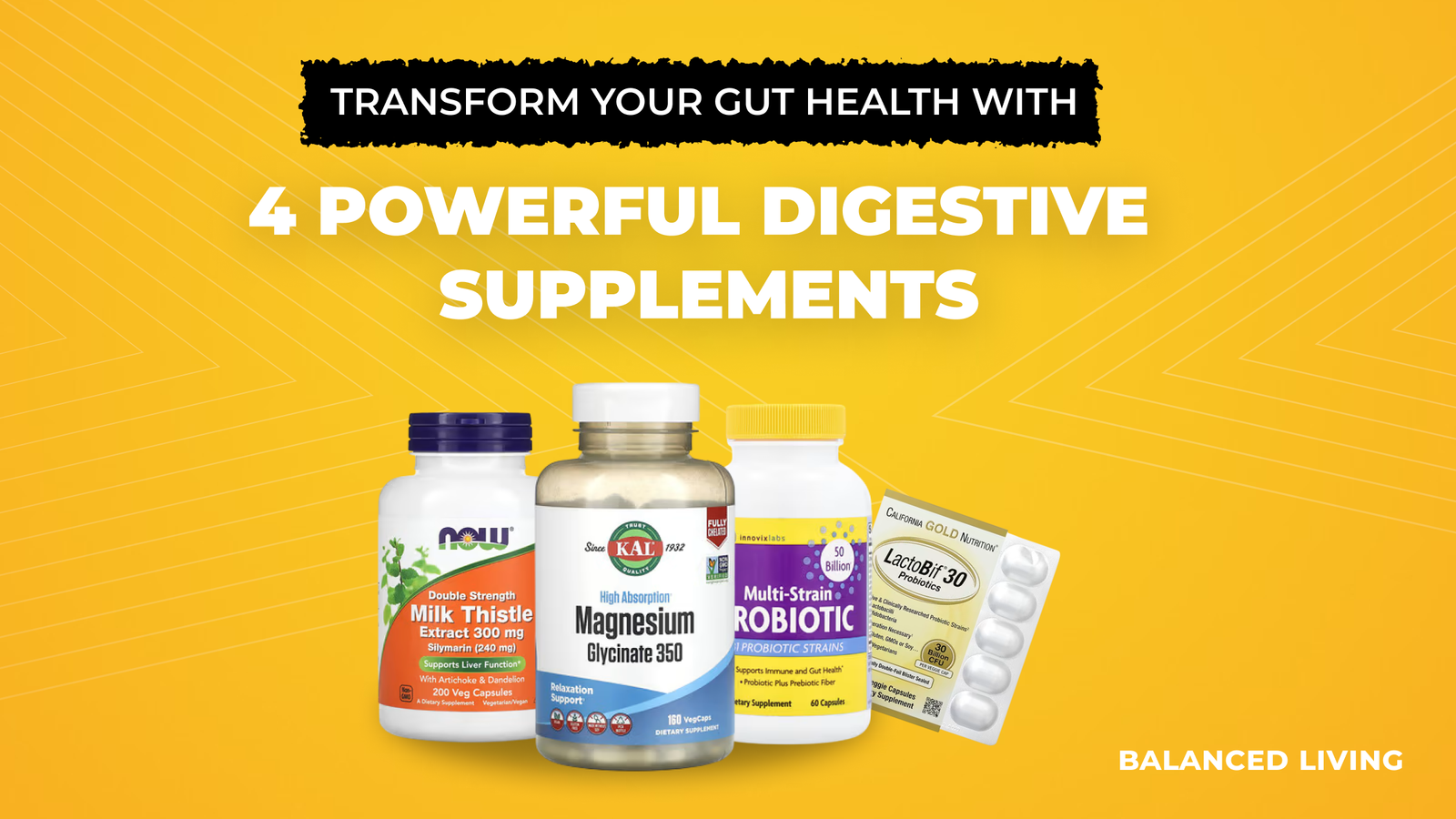
Transform Your Gut Health with 4 Powerful Digestive Supplements
Your gut is more than just where food is digested — it’s the foundation of your well-being. A healthy digestive system supports immunity, energy, skin
Your privacy is important to us
Discover helpful insights and expert tips to manage stress and improve your daily mental health. Stay informed with practical advice and uplifting stories.
