



You might not realize it, but your skin works hard while you sleep. At night, your body boosts blood flow to deliver nutrients and repair damage. This blog will show you how “Skin Repair During Sleep” keeps you looking fresh and healthy.
Keep reading, the secrets may surprise you!
The Science of Nighttime Skin Repair
Your skin becomes a repair machine while you sleep. Blood flow increases, feeding your skin and helping it bounce back from the day’s damage.
Increased blood flow delivers nutrients and oxygen
Blood flows better while you sleep. This movement helps carry oxygen and nutrients to your skin cells. These are like fuel for repairs and renewal. Strong blood flow at night keeps your skin looking fresh, healthy, and glowing by morning.
Poor sleepers often miss out on this boost. Less blood flow can cause dryness, dullness, or even more visible pores. Quality sleep acts like a natural skincare step that no product can replace!
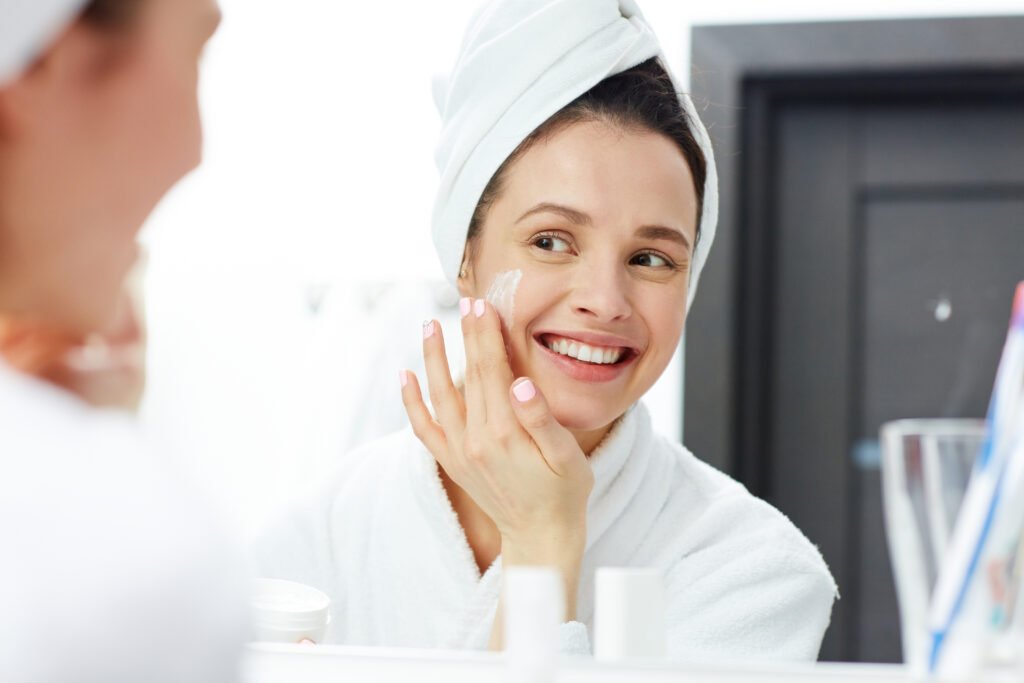
Collagen and elastin production for firmness and elasticity
Nutrients and oxygen kickstart your skin’s overnight repair. During sleep, collagen and elastin production peaks. These proteins are like construction workers for your face. Collagen helps plump the epidermis, reducing wrinkles and crow’s feet.
Elastin keeps your skin stretchy, preventing sagging.
Deep sleep boosts growth hormone levels, supercharging this process. Sleep deprivation messes it all up by raising cortisol, slowing repair work. Skimping on rest can lead to thinner skin and early aging signs.
Your internal clock ensures the best results during nighttime, so protect those ZZZs!
Accelerated cell regeneration to renew the skin barrier
Your skin works hardest at night to repair itself. Between 9 PM and midnight, cell regeneration speeds up. This allows dead cells on the surface to shed while fresh ones form underneath.
The process strengthens your skin barrier, making it better at keeping out irritants like dirt or pollution.
Cell division, called mitosis, peaks during sleep too. It’s how your body keeps renewing its protective layer. But lack of sleep slows this down, leading to dryness and visible signs of aging over time.
Use a nighttime moisturizer to combat Transepidermal Water Loss (TEWL), which increases as you rest.

The Role of Hormones During Sleep
While you’re snoozing, your body gets busy producing vital hormones. These hormones act like repair crews, fixing skin damage and calming irritation.
Growth hormone boosts skin repair and thickness
Deep sleep triggers growth hormone release, which works like a repair crew for your skin. This hormone peaks between 9 PM and midnight, giving your skin the perfect window to rebuild itself.
It strengthens skin thickness by increasing collagen production, ensuring firmness and reducing wrinkles over time.
“Sleep is when your body becomes its own best doctor.”
Cell regeneration also gets a major boost during this period. New cells fix damage to the skin barrier caused by daily stress or UV exposure. With good sleep hygiene, you can promote better elasticity and support healthy, youthful-looking skin every night.
Reduced cortisol levels decrease inflammation
Your body lowers cortisol while you sleep, calming your skin’s inflammation. Less cortisol means fewer acne flare-ups and less irritation from conditions like eczema or psoriasis. This overnight drop helps your skin repair damage caused by UV light and pollution.
High cortisol levels from poor sleep can do the opposite. They increase redness, itching, and uneven tone. Over time, it can make your complexion dull or worsen chronic skin problems.
Prioritize restful nights to keep your biological clock in check and let your skin recover fully.
How to Support Your Skin While You Sleep
Your skin works hard at night, so give it the tools it needs. A simple nighttime routine can help restore and strengthen your skin barrier while you snooze.
Remove makeup and cleanse thoroughly
Sleeping with makeup clogs your pores and irritates your skin. It traps oil, dirt, and sweat, leading to breakouts or infections. Use a gentle cleanser each night to wash away the day’s grime and makeup.
This gives your skin space to breathe and repair.
Cleansing also helps strengthen the skin barrier for better hydration overnight. Skipping this step leaves your face vulnerable to dryness or chronic issues like rashes. A clean face absorbs nighttime skincare products better, letting their ingredients work harder while you rest!
Use targeted nighttime skincare products like moisturizers and serums
Night creams and serums work harder while you sleep. They are packed with ingredients like retinol, peptides, and antioxidants to boost skin repair. Retinol helps fight wrinkles by increasing collagen production at night.
Peptides send signals to your skin to create more collagen too. Antioxidants protect your skin from damage caused during the day.
Overnight moisturizers are thicker and provide hydration through the night when water loss is highest. Products like 100% PURE Retinol Restorative Overnight Balm or Multi-Vitamin + Antioxidants PM Serum deeply nourish tired skin.
These formulas target dryness, dullness, and fine lines while you rest.
Maintain hydration to prevent dryness
Your skin loses water while you sleep due to Transepidermal Water Loss (TEWL). This process increases at night, leaving your skin more prone to dryness. To combat this, apply a thick cream or oil before bed.
These create a barrier and lock in moisture. Products like petroleum jelly can work wonders for overnight hydration.
Drinking water before hitting the pillow also helps keep your skin plump and hydrated. Low humidity in your room? Use a humidifier to prevent dehydration. Proper hydration aids your skin’s repair from daily stress, environmental damage, and UV exposure.
Don’t skip these steps if you want smooth, healthy-looking skin!
Tips for Enhancing Skin Health Overnight
Small changes at night, like switching your pillowcase or sleeping on your back, can work wonders for your skin, so why not try them tonight?
Sleep on your back or use a silk pillowcase
Sleeping on your back can help prevent compression wrinkles. This position keeps your face off the pillow, reducing pressure and irritation. If you sleep with your face pressed into the pillow, it may cause fine lines over time.
Silk or satin pillowcases are game changers for skin care during sleep. They reduce friction, unlike cotton ones that might tug at your skin. A 2012 study even found copper-oxide pillowcases could soften crow’s feet and smooth fine lines.
Making this small change can protect your skin barrier while you rest.
Aim for 7-9 hours of quality sleep
Your skin works hardest while you sleep. During 7-9 hours of rest, your body boosts collagen production, reduces inflammation, and repairs damage. Skimping on sleep disrupts these processes.
One poor night can make your skin dehydrated and mess up its protective barrier. Over time, this leads to dullness, faster aging, and outbreaks.
To keep your skin healthy overnight, focus on quality sleep habits. Use a fitness tracker to monitor how well you’re resting. Keep electronics away from the bed to improve your circadian rhythm.
Sleep deprivation doesn’t just affect energy; it robs your skin of its glow too! Prioritize rest for smoother texture and lasting hydration benefits.
Conclusion
Sleep is your skin’s secret weapon. While you rest, your body works hard to repair and refresh it. Blood flow increases, collagen builds, and damage heals. Missing out on sleep robs your skin of this natural glow.
So, hit the pillow for beauty that starts overnight!