Have you ever noticed how gaining muscle is one of those things everyone talks about, but very few explain properly? You ask ten people for advice, and you’ll hear ten different answers. Eat more, lift heavier, drink shakes, don’t drink shakes. Somewhere between all that noise, you’re standing in your kitchen, staring at your plate, wondering why your body still looks the same.
For a lot of naturally lean people, this journey feels personal. You’re not lazy, you’re not careless, you’re trying. But muscle doesn’t show up just because effort exists. It shows up when food, training, and recovery finally start working together. That’s where a realistic, healthy diet and exercise plan quietly does its job.
This guide is closer to how people actually eat, train, miss meals, get back on track, and slowly figure things out.
Why Muscle Gain Feels Harder Than It Should
Most people think muscle gain fails because of genetics. Sometimes that’s true, but more often it’s simpler than that. The problem is usually structural: eating randomly, training without direction, and sleeping when possible, repeating that pattern for months and expecting visible change.
Muscle needs clarity. It needs enough calories coming in, enough stress from training, and enough rest to rebuild. Miss one of those regularly, and progress slows down so much it feels invisible.
A proper, healthy diet and exercise plan doesn’t mean perfection. It means fewer gaps, fewer skipped meals, fewer weeks where nothing lines up.
The Truth About High-Calorie Eating
“High-calorie” has a bad reputation. People immediately picture greasy food, sugar crashes, and weight gain in the wrong places. That can happen, but only when food quality is ignored completely.
The kind of calories that help muscle growth usually come from foods that are filling but not heavy, simple but not empty. These are foods you can eat often without upsetting your stomach or your energy levels.
The best high-calorie foods to gain muscle are the ones you can live with long-term. Not for a week, not for a challenge, but for months.
Foods That Quietly Build Muscle Over Time
Rice: The Unexciting Backbone
Rice isn’t exciting, and that’s exactly why it works. It doesn’t demand attention, it doesn’t upset digestion for most people, it just sits there and fuels training.
White rice is especially useful around workouts. Brown rice works well for meals where you want slower energy. Add a bit of oil, ghee, or curd, and the calories climb without increasing volume too much.
Among high-calorie foods to gain muscle, rice is one of those quiet staples that shows its value only after weeks of consistency.
Eggs: Familiar for a Reason
Eggs have been part of muscle-building diets forever, not because they’re trendy, but because they do their job well. Protein, fats, micronutrients, all in one place.
People often overthink eggs. Should you eat whites only? Should you avoid yolks? In reality, whole eggs fit well into most healthy diets and exercise plans when eaten in reasonable amounts.
They’re easy, flexible, and they don’t require motivation to prepare.
Peanut Butter: The Reliable Shortcut
If there’s one food that helps people eat more calories without noticing, it’s peanut butter. It can be easily incorporated in small but consistent ways, spread on a sandwich, blended into a smoothie, or mixed into oats as part of a balanced meal.
It doesn’t feel like “diet food,” yet it quietly pushes calorie intake up. That’s why it earns its place among high-calorie foods to gain muscle again and again.
The key is moderation: too much too fast can slow digestion, and small additions work better.
Milk, Curd, and Yogurt
Liquid calories make a difference, especially for people who feel full quickly. Milk is easy to drink even when the appetite is low. Curd helps digestion when meals get heavier.
Dairy isn’t for everyone, but when tolerated, it supports muscle recovery and fits smoothly into a healthy diet and exercise plan.
Sometimes the simplest habit, like a glass of milk before bed, adds more consistency than any complex strategy.
Oats That Don’t Taste Like Punishment
Oats alone have good nutritional content, although they can be taken in a smart way, they could be an exceptionally useful ingredient in a muscle-building diet. Incorporating milk, nuts, fruit, and peanut butter makes the calorie content and balance higher and more nutrient-dense, making a simple bowl of oats a well-balanced, energy-rich meal that is not overbearing and forced.
Being cooked in such a manner, oats cease to be a diet food and become a more reliable source of high-calorie foods to gain muscles, particularly in breakfast or post-workout meals.
Fruits That Actually Help
Fruits will not leave you bulky on their own, but they keep all other things you are doing in their support. Bananas, in particular, are a source of energy, and they go well with high-calorie foods.
They also facilitate digestion, which is important when one is eating more than normal. This is a minor fact that is frequently disregarded in a healthy diet and exercise plan.
Nuts and Seeds: Easy to Forget, Easy to Use
Nuts don’t require cooking, and that alone makes them valuable. A handful between meals adds calories without much effort.
They’re small, calorie-dense, and portable. When used regularly, they quietly support muscle gain and earn their place among high-calorie foods for muscle.
Protein Sources That Make Sense
Protein is still the backbone. Chicken, fish, paneer, tofu, lentils, what matters more than choice is consistency.
Trying to rotate everything often leads to confusion and missed meals. Keeping a few reliable options makes a healthy diet and exercise plan easier to follow.
How to Eat More Without Feeling Miserable
This is often the point where many nutrition plans break down. A sudden shift from low food intake to very large portions can overwhelm appetite, disrupt digestion, and quickly reduce motivation. A more effective strategy is to increase intake gradually.
Start by adding one additional meal, then enhance existing meals with healthy fats, and finally introduce calorie-dense snacks. This steady approach allows the body to adjust comfortably while supporting consistent progress.
That’s how high-calorie foods to gain muscle work best, when introduced without pressure.
Training Gives Calories Direction
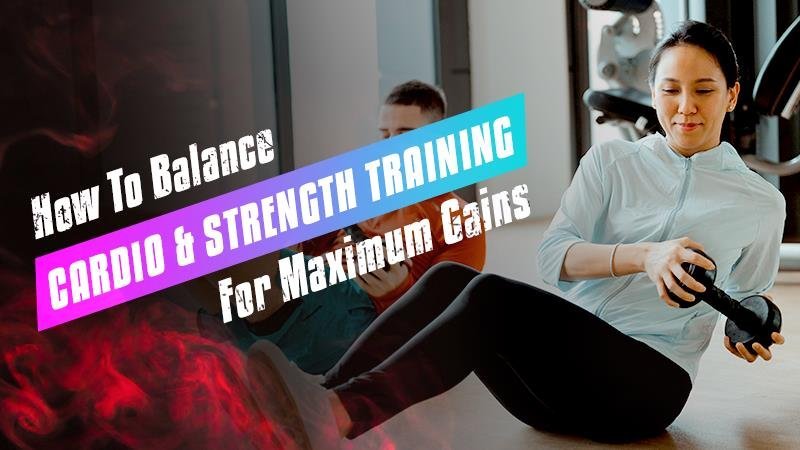
Unless the training is structured, there is a greater chance that the extra calories will be stored instead of utilised in muscle building. Resistance training provides a clear signal to the body, directing nutrients toward building and repairing muscle tissue. Compound exercises, like squats, presses, and rows, are especially good because they involve multiple muscle groups simultaneously.
Training does not have to be hard or too much, as it is more a matter of being consistent. When combined with regular workouts, a well-designed exercise program, and a healthy diet, these three factors contribute to consistent, sustainable muscle growth.
Supplements: Helpful, Not Magical
Supplements get more attention than they deserve. They don’t replace food, sleep, or training; they simply fill gaps.
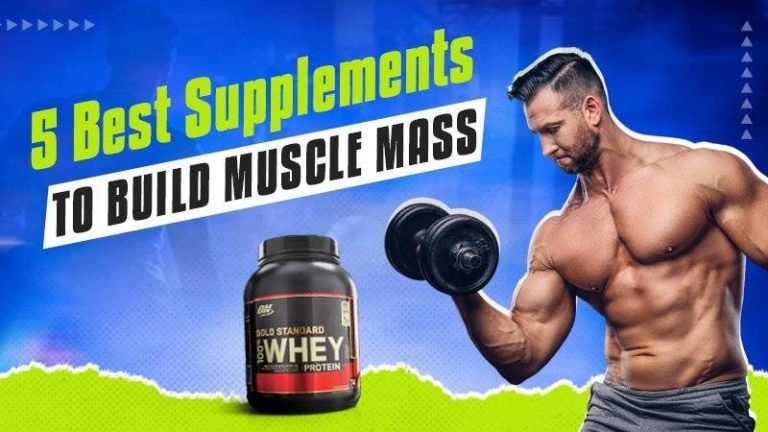
The best weight gain supplements for skinny guys usually fall into three categories: protein powders, creatine, and calorie-dense mass formulas.
Used sparingly, the best weight gain supplements for skinny guys help when appetite or time becomes a limiting factor.
A Smarter Way to Use Supplements
Instead of adding various supplements simultaneously, it would be more effective to acquire a regular routine to eat regularly first. When daily meals are already determined, then whey protein may be incorporated in order to supplement daily protein requirements, and then creatine may be incorporated in case of consistent training. This approach ensures the best weight gain supplements for skinny guys are used to support nutrition and training, not replace them.
Why Progress Often Feels Invisible
Muscle gain doesn’t announce itself. It shows up slowly, in strength first, then in posture, then in how clothes fit.
People often quit because change feels too slow, but in reality, it’s happening quietly. That’s why sticking to a stable, healthy diet and exercise plan matters more than chasing new ideas.
Final Words
Building muscles is rarely dramatic; it is an outcome of long-term habits. Regular training, even on days when one is not inspired, is, however, what will eventually result in progress: a structured nutrition plan and a consistent adherence to the training schedule. Such small and repetitive actions slowly accumulate and produce sustainable outcomes. If you are looking for reliable guidance or support to stay on track, Balanced Liv offers resources designed to help you build sustainable habits and achieve your goals with confidence.