










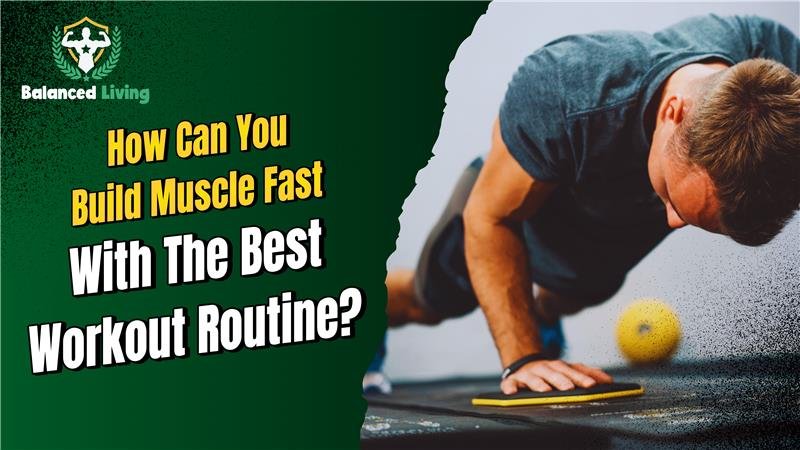
Many people struggle to see fast results when working out. Research shows that following a strong Muscle Building Workout Routine is key to growing muscle quickly. This post explains the best ways and workout plans to help you gain muscle faster.
Keep reading to learn how you can build strength with the right steps!
Key Takeaways
- Use a structured workout plan to build muscle fast. Studies show people with set routines see results in 8 to 12 weeks.
- Focus on progressive overload. Always try to lift heavier weights or do more reps each week for steady muscle growth.
- Choose an effective split like Push/Pull/Legs, Upper/Lower body, or full-body workouts. These splits allow you to train all muscles while giving enough rest time.
- Eat enough protein—aim for at least 0.8 grams per pound of body weight daily. Spread your protein intake through each meal for better muscle recovery and growth.
- Maintain a calorie surplus of about 250–500 extra calories daily using healthy foods like lean meats, whole grains, fruits, and vegetables to support new muscle gain without much fat increase.
The Importance of a Structured Workout Routine
Moving from the introduction, a structured workout routine helps you build muscle fast. It gives your muscle building workout plan direction and purpose. Sticking to the best workout routine for muscle gain means each session builds on the last one.
You waste less time guessing what to do.
A set schedule tracks progress and keeps motivation high. Studies show people who follow specific plans see faster results than those without structure. “Consistent routines can lead to visible gains in just 8 to 12 weeks.” Regular habits let your body recover better and push harder with each gym visit, helping you reach your goals quickly.
Key Components of Building Muscle Fast
To build muscle fast, you need a solid plan. Focus on lifting more weight over time and give your body enough rest to recover.
Progressive overload
Muscles grow when you challenge them with heavier weights or more reps over time. This steady increase is called progressive overload. For fast muscle gain, you should always aim to lift a bit more than before.
Tracking your sets and adding weight each week helps your body adapt and get stronger.
Progressive overload also works by changing other things in your workout. You can add new exercises, slow down your lifts, or cut down rest time between sets. Each change pushes your muscles further, which leads to growth.
Stick with this method if you want real progress in how to gain muscle fast.
Balanced workout splits
A balanced workout split spreads your exercises across the week. It targets different muscle groups on different days. This method helps muscles recover before they work again. For example, a push/pull/legs split works pushing muscles one day, pulling muscles the next, and legs on another day.
Dividing your workouts by muscle group gives each area time to rest and grow.
Using this approach also lowers injury risk because you do not overwork any part of your body. Balanced splits help keep training steady and make gains easier to track.
Adequate rest and recovery
Balanced workout splits help you train hard. Adequate rest and recovery is just as important. Your muscles need time to heal after lifting weights. This healing process allows them to grow stronger.
Aim for at least 48 hours of rest for each muscle group before working it again. Sleep plays a vital role in recovery too. Aim for 7-9 hours of good sleep each night. Proper hydration also supports muscle repair, so drink plenty of water throughout the day.

Effective Workout Routines for Muscle Gain
To build muscle fast, you can follow different workout routines. Each routine targets your muscles in a unique way. Choose one that fits your lifestyle and goals. This choice makes a big difference in your progress.
Want to learn more about these routines?
Push/Pull/Legs split
The Push/Pull/Legs split is an effective way to organize workouts. This method divides training into three parts: push, pull, and legs. On the push day, you work on muscles that help with pushing movements.
This usually includes the chest, shoulders, and triceps.
On pull days, the focus shifts to pulling muscles such as the back and biceps. Leg days are dedicated to lower body exercises like squats and lunges. By splitting workouts this way, you allow each muscle group time to recover between sessions.
Many people find they build muscle faster using this split because it balances workload and rest effectively.
Upper/Lower body split
After trying the Push/Pull/Legs split, many lifters explore the Upper/Lower body split. This routine separates workouts into two main parts: upper body and lower body. The upper part focuses on muscles like the chest, back, shoulders, and arms.
The lower part targets legs and glutes.
This approach allows for more recovery time between workouts. You can hit each muscle group with more intensity. For example, you might train your upper body on one day and your lower body two days later.
Lifters often see solid gains in strength and size using this method. It’s simple to follow and effective for building muscle fast.
Full-body workouts
Full-body workouts involve training all major muscle groups in one session. This approach is efficient for building muscle quickly. These routines typically include exercises for the chest, back, legs, arms, and core.
These workouts are great for beginners and those with limited time. They boost strength and promote balanced development across the body. Aim to do full-body workouts two to three times a week.
Allow at least one day of rest between sessions to recover properly.
Nutrition for Optimal Muscle Growth
Nutrition plays a big role in muscle growth. Eating enough protein helps your muscles recover and grow stronger.
Importance of protein intake
Protein is vital for building muscle. It helps your muscles recover after workouts. A good amount of protein also supports growth. Aim for at least 0.8 grams of protein per pound of body weight daily.
This number can change based on your activity level.
Eating protein-rich foods like chicken, fish, beans, and nuts can help you reach this goal. Many people overlook the importance of consistent intake throughout the day. Spread your meals to include sources of protein at each one.
Focusing on protein will set a strong base for muscle gain and energy during workouts. Next comes the role of calorie surplus in supporting muscle growth.
Role of calorie surplus
A calorie surplus helps with muscle growth. Consuming more calories than you burn gives your body the fuel it needs to build new tissue. This extra energy supports workouts and recovery.
For many, a surplus of 250 to 500 calories per day works well.
Focus on healthy foods for this increase. Include lean proteins, whole grains, and plenty of fruits and vegetables. These choices help to nourish your muscles effectively. If done right, a calorie surplus can speed up muscle gain while keeping fat levels in check.
Conclusion
Building muscle fast requires a smart workout plan. Focus on progressive overload to push your limits. Use balanced workout splits to target all your muscles effectively. Eating enough protein and calories is key for growth.
Stick to this routine, and you will see results quickly.
Was this article helpful?
Thanks for your feedback!


Top 8 Hyaluronic Acid Skincare Products for Plump, Hydrated Skin
Looking for the perfect hyaluronic acid product to boost your skin’s hydration? Whether you’re targeting fine lines, dryness, or simply want to achieve a healthy

How to Build a Skincare Routine That Actually Works
Many people struggle to find the proper skincare routine. A good routine can help prevent aging and keep skin healthy. Clear skin can feel hard,

5 Best Supplements to Build Muscle Mass
Trying to build muscle while balancing cardio and strength training? Your training program is just one part of the equation—what you put into your body
How To Balance Cardio And Strength Training For Maximum Gains
Many people struggle to mix cardio and strength training for muscle gain. Doing both is crucial to achieving greater strength and fitness. At Balanced Living,

Which Skincare Routine Is Right for Your Skin Type?
Finding the proper skincare routine can be hard. Everyone’s skin is different. This post will tell you how to care for each skin type. Balanced

Best Face Cleansers for Clear, Healthy Skin
When it comes to achieving clear, radiant skin, choosing the right face cleanser is essential. A good cleanser not only removes dirt, oil, and makeup

5 Morning Habits That Boost Weight Loss All Day Long
Losing weight can feel hard in the mornings. A good start can help a lot. This post talks about 5 morning habits that boost weight

Lose Weight Naturally with Apple Cider Vinegar Capsules
Apple cider vinegar (ACV) has earned its place as a go-to natural remedy for those looking to lose weight, improve digestion, and feel lighter overall.

Avoid These 5 Mistakes That Kill Muscle Growth
Many people want to grow their muscles but don’t see results. Why? They make small but essential mistakes that hold them back. These mistakes can

Transform Your Gut Health with 4 Powerful Digestive Supplements
Your gut is more than just where food is digested — it’s the foundation of your well-being. A healthy digestive system supports immunity, energy, skin